Search for 'Coir Brushes'

4 mins
2025-10-01
0
0
Copy Link
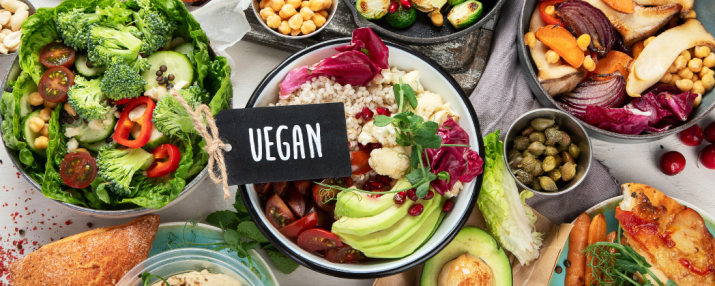
Veganism is not just a diet, it is a way of living. A vegan avoids using any product that comes from animals—whether it is food, clothing, or cosmetics. This means no meat, milk, curd, paneer, eggs, honey, leather, or wool. According to The Vegan Society, the main idea is to cause the least harm to animals and live in a way that is healthier and more sustainable. Many people in India already eat a plant-heavy diet, so for them, going vegan often feels like a natural next step.
👉 Related Read: Want to live sustainably? Here are 5 tips that can help
Summary: Veganism is a lifestyle that avoids all animal products, focusing on plant-based foods for health, ethics, and sustainability.
In India, vegetarian food is already common. Many people avoid meat but still consume dairy products like milk, curd, ghee, and butter. The difference is that vegans do not consume any animal products, including milk and honey. They also avoid animal-based items like leather shoes or silk sarees. In short, vegetarians avoid meat, while vegans avoid everything that comes from animals. Today, it is much easier to find vegan options in Indian cities. Plant-based milk, dairy-free ice creams, and even vegan sweets are available in supermarkets and restaurants.
| Aspect | Vegetarian | Vegan |
|---|---|---|
| Diet | Avoids meat, fish, and poultry but may eat dairy and eggs | Avoids all animal products including dairy, eggs, honey, and meat |
| Clothing & Lifestyle | Usually no restrictions on leather, wool, or silk | Avoids clothing and products made from animals (leather, wool, silk, etc.) |
| Motivation | Often health-based or cultural/religious | Health, environmental, and strong ethical/animal welfare reasons |
| Common Foods | Paneer, milk, ghee, yogurt, eggs, vegetables, grains, pulses | Fruits, vegetables, grains, pulses, plant-based milk, tofu, vegan alternatives |
👉Explore: Why Millets are more than just a craze
Summary: Vegetarians avoid meat but may eat dairy and eggs, while vegans completely avoid all animal-derived foods and products.
While the term “vegan” was introduced in 1944 in the UK by Donald Watson, the idea of living without harming animals is very old. Indian traditions, especially Jainism and some schools of Hinduism and Buddhism, have long promoted ahimsa (non-violence) and plant-based living. What makes modern veganism different is its global focus on health, climate change, and animal rights. According to Statista, the number of vegans has been steadily increasing worldwide. In India too, the movement is gaining momentum, with vegan food festivals, restaurants, and local brands offering plant-based alternatives.
👉 Find Out: Sustainable living is expensive - Myth or Reality?
Summary: Veganism started as a movement in the 1940s in the UK and has now grown worldwide as people choose compassionate and eco-friendly living.
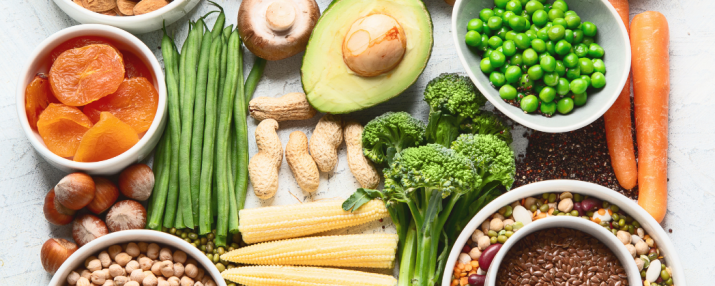
A well-planned vegan diet can improve health in many ways. Studies from The American Journal of Clinical Nutrition show that vegans often have lower cholesterol, reduced risk of heart disease, and better digestion. Plant-based foods like dal, chana, soya, tofu, fruits, and vegetables are high in fiber, vitamins, and antioxidants. They also keep you feeling light and energetic. However, it is important to include enough protein sources like pulses, nuts, and seeds, and take vitamin B12 supplements if needed.

👉 Read: Microplastics Unraveled: Andrew Huberman’s Science-Backed Guide to a Plastic-Filled World
Summary: A vegan diet can lower risks of heart disease, diabetes, and obesity while supporting overall energy and immunity.
Animal farming takes a huge toll on the environment. It uses large amounts of water, land, and contributes heavily to climate change. According to the FAO, livestock farming is one of the biggest sources of greenhouse gases. By choosing plant-based meals, you can save water, reduce pollution, and help fight climate change. In India, where water scarcity is already a challenge, this shift can make a big difference.
👉 Check Out: Ecoyaan | Sustainable Swaps: Ditching the Disposables in Your Home: Kitchen Edition | Ecoyaan
Summary: Plant-based eating reduces greenhouse gas emissions, conserves water, and helps protect forests and biodiversity.
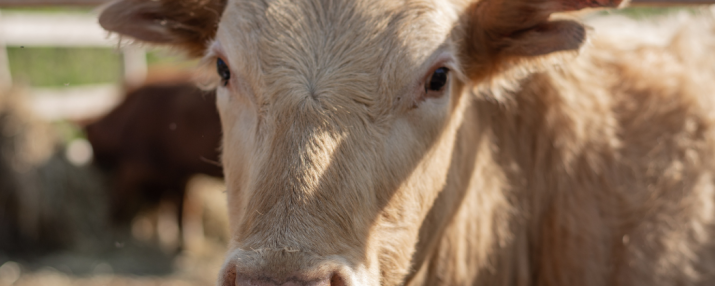
Veganism is also about compassion. By saying no to animal-based products, you are reducing the demand for industries that exploit animals. It is a way of living that aligns with the principle of ahimsa—something deeply rooted in Indian culture. Choosing vegan products means you are supporting businesses that are fair, sustainable, and cruelty-free. Whether it is picking coconut milk instead of cow’s milk or choosing cruelty-free cosmetics, each decision helps protect animals and encourages companies to make better choices.
👉 Related: What is Vegan Leather, Really? Unpacking the Eco-Friendly Alternative
Summary: Choosing veganism prevents animal suffering and promotes kindness towards living beings.
Veganism is no longer seen as a difficult or foreign concept. With so many plant-based options now available in India—from almond milk to vegan biryani—it has become an accessible and rewarding choice. People adopt veganism for many reasons—better health, a cleaner environment, or kindness toward animals. Whatever the reason, the result is the same: a lifestyle that is healthier, more compassionate, and better for the planet.
👉 Explore: Ecoyaan | India’s First AI-Powered Eco-Friendly Marketplace
Summary: Veganism is becoming popular in India and globally because it aligns health, sustainability, and compassion in one lifestyle.
💡 Tip: Start small. Try vegan meals a few times a week or switch to plant-based milk in your chai. Small changes add up over time.
Follow Ecoyaan for more such tips !
7 mins • 2026-06-02
5 mins • 2026-05-20

6 mins • 2026-04-18

6 mins • 2026-03-31

5 mins • 2026-01-23

5 mins • 2026-01-21
0
0
Copy Link
to write a comment.