The Zero-Waste Bathroom: 5 Easy Swaps to Cut Plastic & Waste
By Harshita Mudgal
5 mins
2026-01-23
0
0
Copy Link
📑 Table of Contents
- Overview
- What is a Zero-Waste Bathroom & Why it Matters
- The Top 5 Swaps (Bamboo Brushes, Solid Soaps & More)
- Must-Haves vs. Good-to-Haves
- Comparison: The Real Impact
- Do’s & Don’ts of Bathroom Sustainability
- Maintenance: Making Your Swaps Last
- Myth vs. Fact
- Final Thoughts: Your Morning Routine Reimagined
- FAQs
Overview
Your morning routine likely starts in the bathroom—brushing your teeth, showering, and getting ready. Unfortunately, for most of us, this routine is wrapped in plastic. From the toothbrush you discard every few months to the empty shampoo bottles cluttering the shower ledge, our bathrooms are often the biggest sources of single-use plastic waste in the home.
Transforming your bathroom into a zero-waste haven isn't about sacrificing hygiene; it is about stopping this pile-up. By simply swapping to biodegradable bamboo or replaceable-head options, you can prevent hundreds of pieces of "indestructible" plastic from entering our landfills and oceans.
What is a Zero-Waste Bathroom and Why Does it Matter?
What it is:
A zero-waste bathroom replaces disposable, plastic-heavy products with items that are biodegradable, compostable, or infinitely recyclable. It focuses on the lifecycle of the product—choosing materials like bamboo, steel, glass, and natural fibers that return to the earth or can be reused indefinitely, rather than sitting in a landfill for centuries.
Why it matters:
The statistics are staggering. Globally, billions of plastic toothbrushes are thrown away every year. In India alone, plastic waste generation has reached over 3.4 million tonnes annually according to CPCB reports, and personal care packaging is a major contributor.
- The Plastic Problem: A standard plastic toothbrush takes over 400 years to decompose (Source: National Geographic). Every brush you've ever used still exists somewhere on the planet.
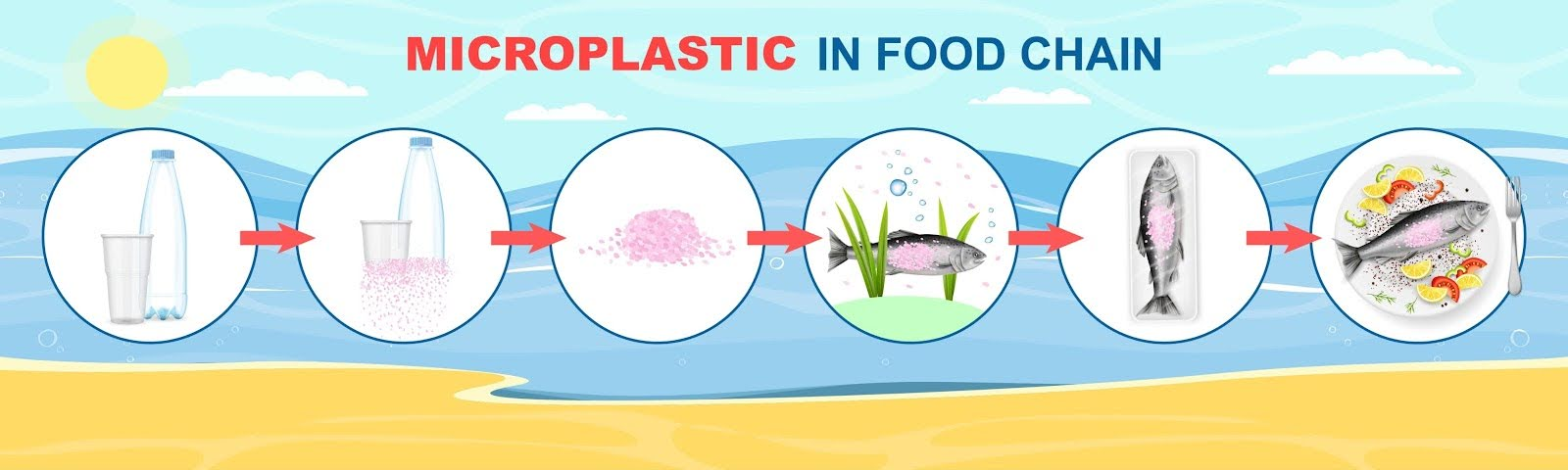
- Microplastics: Synthetic loofahs and exfoliating scrubs often shed microplastics into the drain, which eventually reach our oceans and enter the food chain.
- Health Risks: Many conventional plastic products and softeners contain Phthalates, which the CDC and NIH studies have linked to endocrine (hormone) disruption.
- Resource Drain: Producing liquid shampoo involves shipping mostly water (up to 80%) in heavy plastic bottles, increasing carbon emissions during transport significantly compared to solid bars.
The Top 5 Swaps to Cut Plastic
Here are five impactful changes you can make today, featuring verified sustainable products found on Ecoyaan.
1. Solid Soap Cleansers
The Problem: Liquid body washes come in bulky plastic bottles and often contain chemical stabilizers to maintain their texture.
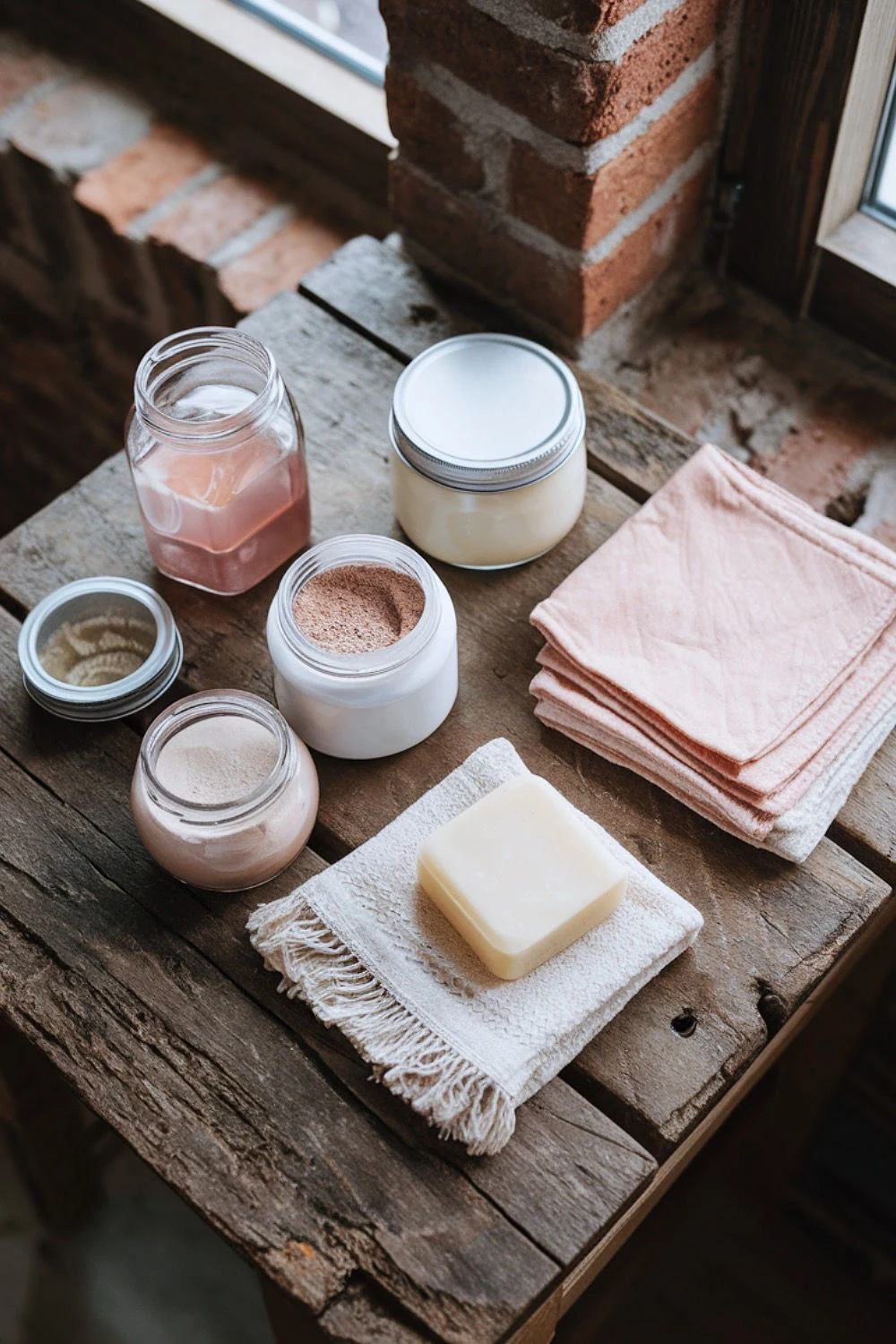
The Swap: Handmade Soap Cleansers. Whether in bar form or sustainable liquid packaging, these are formulated to clean without the plastic waste.
Ecoyaan Pick: Explore our range of Soap Cleansers that use natural ingredients to nourish the skin, avoiding harsh sulphates and parabens found in commercial body washes.
2. Sustainable Handwash
The Problem: We go through countless plastic pump bottles for handwashing every year. These pumps contain complex springs and plastics that are almost never recycled.
The Swap: Eco-friendly Liquid Handwash. Switching to handwash that comes in glass, aluminum, or bulk refill packaging significantly cuts down on plastic waste.
Ecoyaan Pick: Try our Handwash Liquid Soap options. They are gentle on your hands and packaged mindfully to reduce your bathroom's plastic footprint.
3. Metal Safety Razor
The Problem: Disposable plastic razors are expensive over time and impossible to recycle due to the mix of metal and plastic.
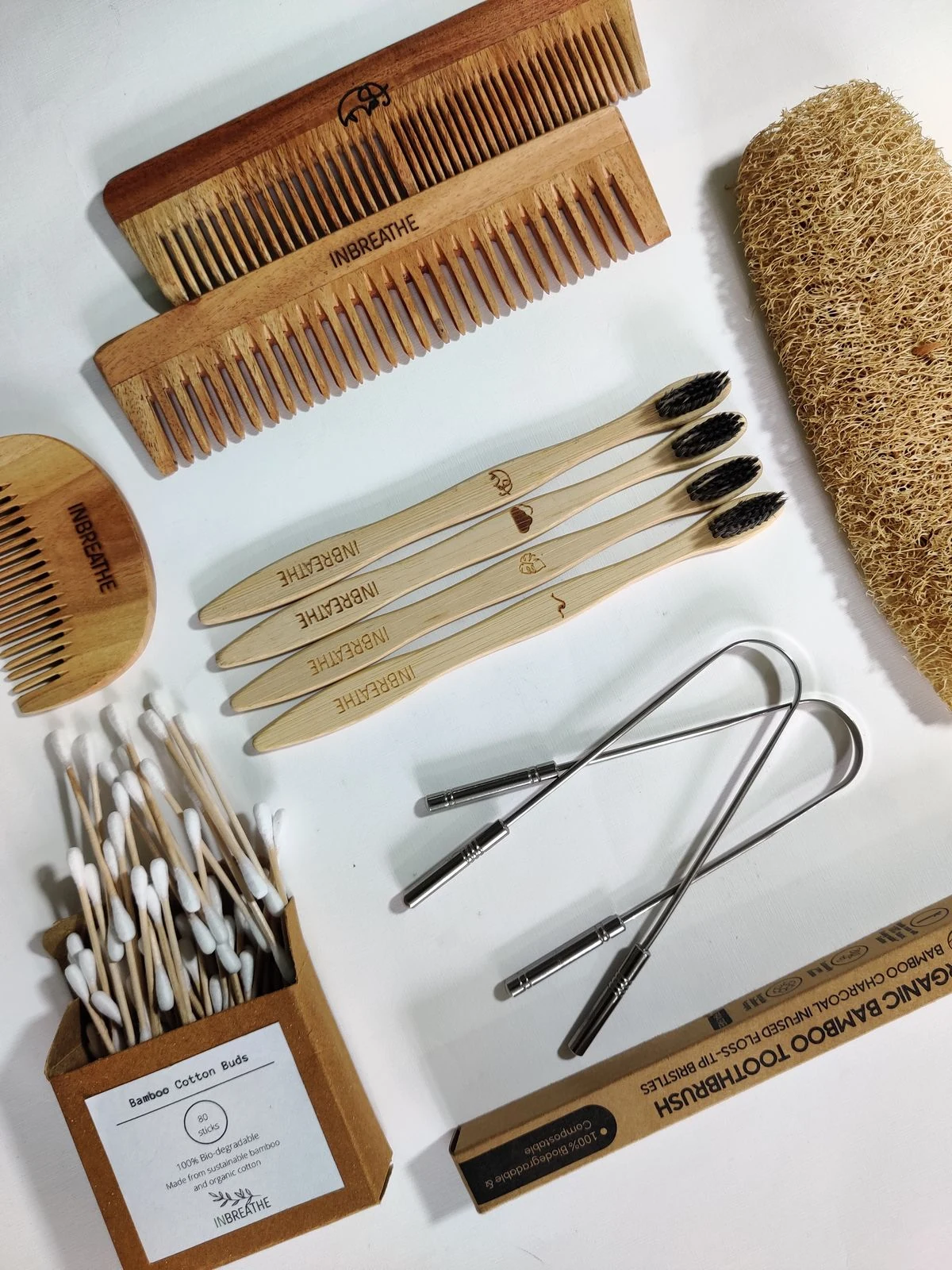
The Swap: A Stainless Steel Safety Razor. The handle lasts a lifetime; you only replace the recyclable metal blade.
Financial Win: Replacement blades cost a fraction of a disposable razor cartridge.
4. Natural Loofah or Scrubber
The Problem: Those colorful plastic shower puffs are made of synthetic mesh that sheds microplastics every time you scrub.
The Swap: A Natural Loofah (dried gourd) or a Coconut Coir Scrub.
Why it works: Unlike synthetic puffs that harbor bacteria, natural options dry out well and return to the earth without leaving a trace.
5. The Bamboo Toothbrush
The Problem: Conventional handles are made of polypropylene (plastic) and rubber, which are non-recyclable.
The Swap: A Bamboo Toothbrush. Bamboo is the fastest-growing plant on earth, naturally antimicrobial, and fully biodegradable (minus the bristles).
Ecoyaan Pick: Look for Charcoal Infused Bamboo Toothbrushes which help whiten teeth naturally while saving the planet.
Must-Haves vs. Good-to-Haves
When starting your journey, prioritize high-impact items before moving to niche swaps.
| Must-Haves (Start Here) | Good-to-Haves (Next Steps) |
|---|---|
| Bamboo Toothbrush: The easiest, most affordable swap. | Tongue Cleaner: Copper or Steel (instead of plastic). |
| Solid Soap/Shampoo: Eliminates the bulk of bathroom plastic. | Bidet/Health Faucet: Drastically reduces toilet paper use. |
| Natural Loofah: Replaces the plastic puff immediately. | Bamboo Ear Swabs: For makeup corrections or ear care. |
| Reusable Period Wear: (Menstrual Cups/Cloth Pads) | DIY Toothpaste: Or glass-jar toothpaste tabs. |
Comparison: The Real Impact
| Feature | Conventional Bathroom | Zero-Waste Bathroom |
|---|---|---|
| Annual Plastic Waste | ~10-15 bottles + 4 brushes | Zero to Minimal |
| Chemical Exposure | High (Parabens, Phthalates) | Low (Natural ingredients) |
| Lifespan | Short (Single-use focus) | Long (Durable steel/wood) |
| Cost (5 Years) | High (Constant repurchasing) | Lower (Buy once/Refill) |
| Disposal | Landfill (400+ years) | Compost / Recycle |
Do’s & Don’ts of Bathroom Sustainability
✅ Do’s
- Do Dry Everything: Natural materials (bamboo, wood, luffa) need to dry out completely between uses to prevent mold, especially in humid climates like Mumbai or Kerala.
- Do Use a Soap Dish: Keep your shampoo and soap bars on a draining dish (like a Wooden Soap Tray) so they don't turn into mush.
- Do Recycle: If you must buy a plastic bottle, ensure you rinse and recycle it properly.
⚠️ Don’ts
- Don’t Throw Everything Away: Don't bin your current half-used plastic products just to "go green." Use them up first—that is the most sustainable choice.
- Don’t Forget the Bristles: Most bamboo toothbrushes have nylon bristles. Pluck them out with pliers before composting the handle.
- Don’t Overbuy: You don't need 10 different eco-gadgets. Start with what you need.
Correct usage (drying, draining) is key to making natural products last. Avoid the trap of "eco-consumerism" by using what you have first.
Maintenance: Making Your Swaps Last
Natural materials behave differently than plastic—they are biodegradable, which means they react to water and humidity. A little intentional care keeps them hygienic and extends their lifespan significantly.
- Bamboo Toothbrushes:
- Keep it Dry: The most common issue is the bottom of the handle turning black (mold) because it sits in a cup of accumulated water. Always store your brush upright in a well-ventilated holder that drains water.
- The "Oil Seal" Trick: Before using a new brush, rub a drop of coconut oil onto the handle to create a natural water-repellent barrier.
- Stainless Steel Safety Razor:
- Daily Rinse: Hair and soap scum can get trapped between the blade and the head. Loosen the handle slightly and rinse thoroughly after every shave.
- The Towel Tap: Do not wipe the blade itself (this dulls the sharp edge). Instead, shake off excess water and tap it gently on a towel.
- Natural Loofah & Coir Scrubs:
- The Weekly Boil: Bacteria loves moisture. Once a week, drop your loofah in a pot of boiling water for 2–3 minutes to sterilize it completely.
- Squeeze & Hang: Always squeeze out excess water after use and hang it in a spot with good airflow, not directly under the showerhead.
Myth vs. Fact
Myth: Shampoo bars don't clean as well as liquids.
Fact: Shampoo bars are simply concentrated cleansers without the extra water weight. According to a Life Cycle Assessment study, solid bars can reduce the carbon footprint by roughly 25% compared to liquid bottles while providing the same effective cleansing power. They clean just as well—without the plastic waste.
Myth: Zero-waste products are unsanitary.
Fact: Quite the opposite. Research published by the NIH indicates that reusable stainless steel surfaces often harbor significantly lower microbial loads than plastic surfaces. Plastic is softer and prone to developing micro-scratches where bacteria can hide, whereas steel is non-porous and easier to sanitize.
Final Thoughts: Your Morning Routine Reimagined
Switching to a zero-waste bathroom is one of the most tangible ways to fight climate change. Every time you brush with bamboo or lather up a solid bar, you are voting for a cleaner planet. It’s a small ripple that, over a lifetime, creates a massive wave of change.
Is it worth the effort? Absolutely. Not only will your bathroom look less cluttered and more spa-like with natural textures, but you’ll also feel the satisfaction of knowing your daily routine is no longer a burden on the Earth.
Ready to make the switch? Explore the curated collection of Sustainable Personal Care on Ecoyaan.
FAQs
- How do I dispose of my bamboo toothbrush bristles?
Use pliers to pull the bristles out. The bristles usually go in the trash (unless specified as biodegradable nylon), while the bamboo handle goes into your compost bin or garden soil. - Will a shampoo bar work for treated/colored hair?
Yes, but look for bars specifically labeled "Sulphate-Free" or "Color-Safe." Harsh detergents are usually what strip color, and many natural bars avoid these. - Why does my hair feel waxy after switching to a shampoo bar?
This is the "transition phase." Your scalp is adjusting to the lack of stripping chemicals (SLS). It usually lasts 1–3 weeks. An apple cider vinegar rinse can help balance the pH and remove residue. - Are safety razors safe for beginners?
Yes, but there is a learning curve. Do not apply pressure like you do with plastic razors; let the weight of the metal handle do the work. Take short strokes and hold it at a 30-degree angle. - How long does a natural loofah last?
With daily use, a natural loofah typically lasts 3–4 weeks before it gets too soft or starts breaking down. It is compostable, so frequent replacement isn't an environmental burden. - Can I use these products with hard water?
Hard water can react with true "soap" bars to create scum. If you have hard water, look for "syndet" bars (synthetic detergent bars made from coconut derivatives) rather than saponified oil soaps, or install a shower filter. - Is a bamboo toothbrush safe for kids?
Yes! Many brands make smaller sizes for children. It’s a great way to teach them about sustainability early on. - How do I travel with a wet soap bar?
Pat it dry and store it in a tin or a specific soap travel bag. A dry face cloth wrapped around the bar also works wonders to absorb moisture. - Do toothpaste tablets contain fluoride?
Some do, some don't. Check the packaging. If your dentist recommends fluoride, ensure you choose a tablet brand that includes it. - Why are these products more expensive upfront?
You are paying for ethical labor, sustainable materials, and durability. While a safety razor costs more now, you save thousands of rupees on cartridges over the next decade.
Related posts

7 mins • 2026-06-02
Climate Change in 2026: What the Data Says, What It Means for India, and What You Can Do
5 mins • 2026-05-20
Filling Up on the Future: What Biofuels Mean for India

6 mins • 2026-04-18
Sustainable Travel Tips: How to Explore the World Without Trashing It

6 mins • 2026-03-31
What Makes Women Stronger: 10 Everyday Swaps for a Better Body and Planet
5 mins • 2026-01-21
Top 12 Eco-Friendly Habits to Build in 2026

4 mins • 2025-12-18
Period Wear: A Practical Guide to Reusable Period Panties, Pads & Other Options
What do you think?
0
0
Copy Link
to write a comment.