Search for 'Coir Brushes'


6 mins
2026-03-31
0
0
Copy Link
Strength is not always dramatic. Sometimes it shows up in quiet, intentional choices—the products you reach for each morning, the rituals you build over months, and the things you decide to stop buying. This guide is about exactly that kind of strength.
We have put together 10 everyday swaps—from how you manage your period to how you cook your meals—that are better for your body, kinder to the planet, and quietly powerful in the long run. These are not just eco-friendly choices. They are stronger choices.
Research shows that repeated sustainable habits lower household carbon footprints and influence social norms around consumption. Read more: Unlocking global carbon reduction potential by embracing low-carbon lifestyles. The goal here is not to be perfectly sustainable—it is to build steady momentum. Start with one swap. Then another. That is all it takes.
Most of us grew up with one version of normal when it came to personal care: disposable pads, plastic combs, synthetic deodorants, and non-stick pans. These products were convenient, but they carried hidden costs—to our bodies, our budgets, and the environment we share.
A few terms appear throughout this guide. Here is what they mean:
Each swap below is explained in three parts: Why it matters, How to make the change, and a Quick tip drawn from real-world use.
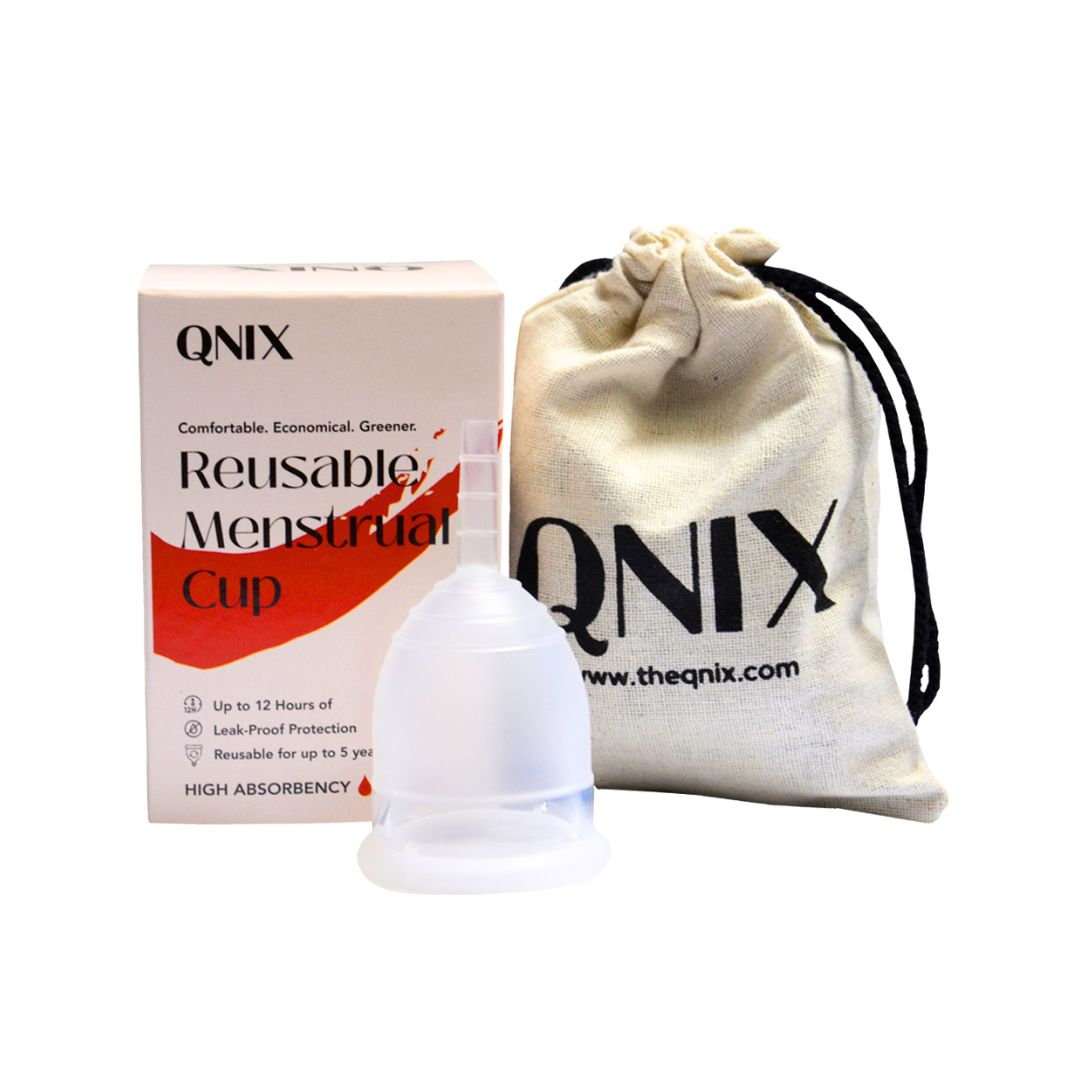
Period Care — Reusable medical-grade silicone cup
Why: A single menstruator generates up to 10,000 disposable products over a lifetime. Switching to a menstrual cup reduces that waste by over 99%. It holds more than a tampon, can be worn for up to 12 hours, and lasts several years—delivering genuine freedom and significant savings.
How: Choose a medical-grade silicone cup sized for your flow. Sterilise between cycles by boiling for 5-7 minutes. Empty and rinse every 8-12 hours. Explore verified options: Reusable Period Products on Ecoyaan.
Quick tip: If insertion feels unfamiliar, try different folding techniques (C-fold, punch-down fold). Give yourself at least two full cycles before deciding if it works for you.
Skincare — Rose quartz, jade, or bian stone facial tool
Why: Gua sha is a centuries-old practice using a smooth stone to gently scrape along the face and neck. Regular use supports lymphatic drainage, reduces morning puffiness, and improves blood circulation. It replaces multiple single-use skincare tools with zero packaging waste.
How: Apply 2-3 drops of facial oil and glide the stone upward and outward in slow, deliberate strokes. Work from neck to jawline, then cheeks to temples.
Quick tip: Store your gua sha in the refrigerator for 10 minutes before use. The cool stone significantly reduces puffiness and makes the ritual genuinely enjoyable.

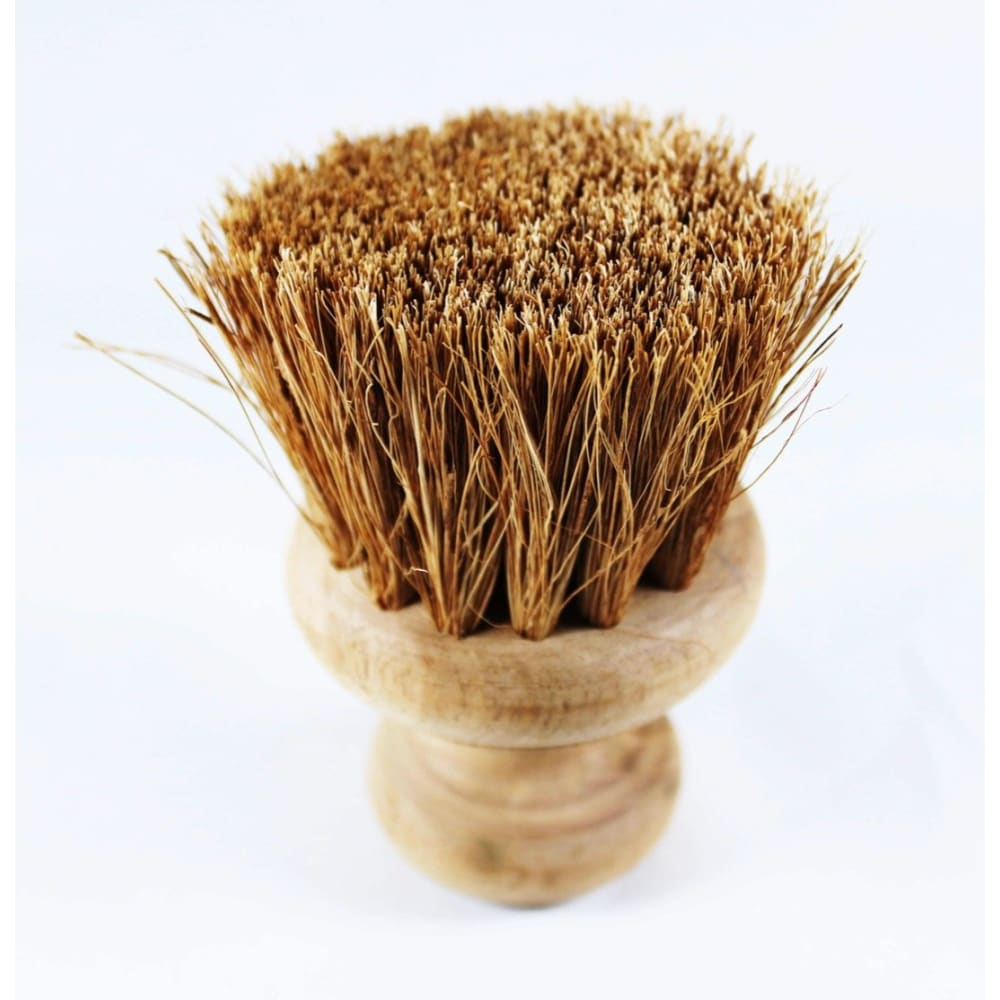
Kitchen — Bamboo-handled brush with natural bristles
Why: Conventional kitchen sponges are made from synthetic materials that shed microplastics into water with every wash. They harbour bacteria and deteriorate quickly. A bamboo dish brush with natural bristles is biodegradable and cleans equally well.
How: Stand the brush upright after each use so it dries completely between washes. Look for models with replaceable heads—you only swap the bristle portion, extending the handle indefinitely.
Quick tip: A long-handled brush keeps your hands away from hot, greasy water. Replace the bristle head every 2-3 months or when splaying occurs.
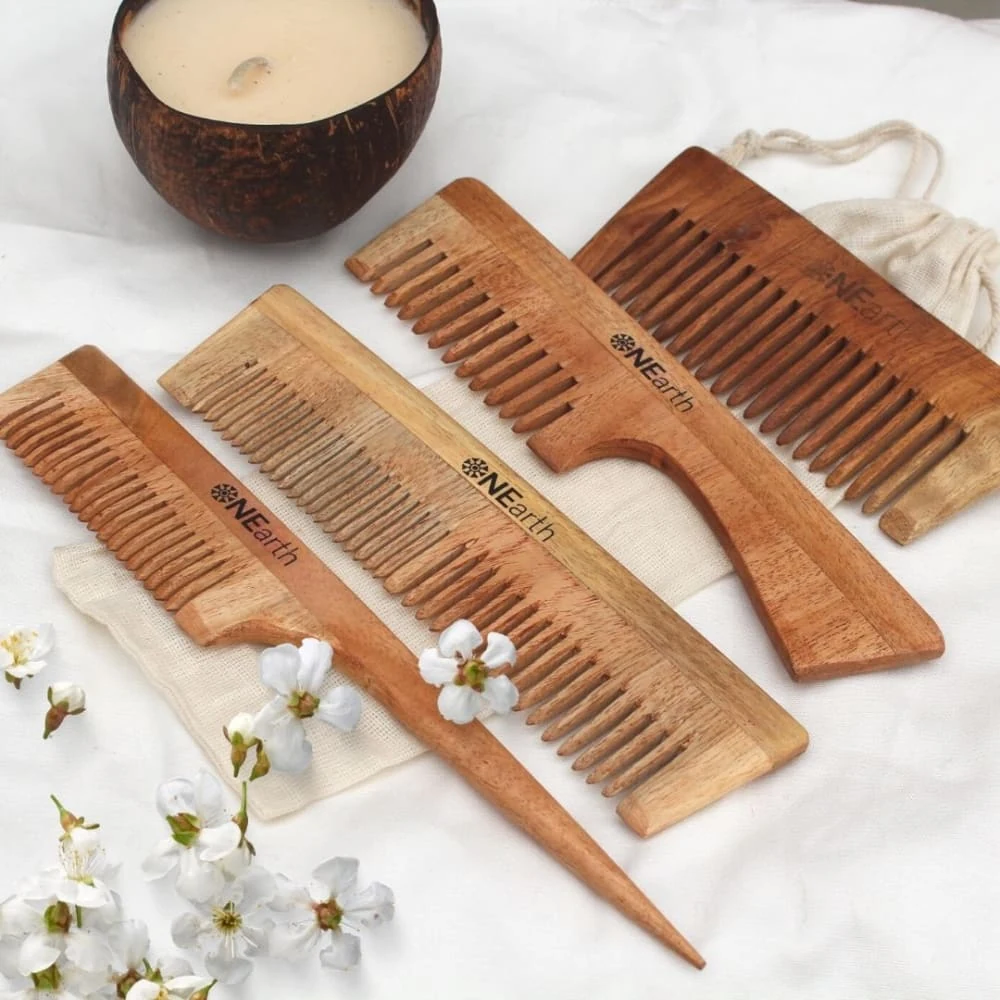
Hair Care — Neem, sandalwood, or bamboo comb
Why: Wooden combs—especially neem—have been central to hair care across South Asia for generations. They generate less static than plastic, are gentler on the scalp, and distribute natural oils more evenly. Neem has antimicrobial properties that support scalp health.
How: Use a wide-tooth wooden comb on damp hair to detangle gently, working from ends to roots. Wipe with a dry cloth after each use. Avoid soaking in water.
Quick tip: Rub a small drop of coconut oil into the comb every few months to prevent cracking. A well-maintained wooden comb lasts years and improves with use.
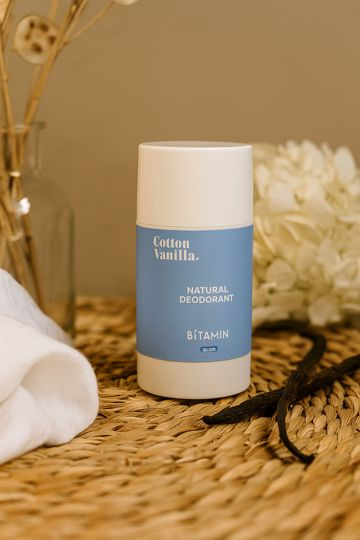
Body Care — Plant-based: baking soda, magnesium, or crystal alum
Why: Conventional antiperspirants use aluminium compounds to block sweat glands and often contain synthetic fragrances and parabens. Natural deodorants neutralise odour-causing bacteria without blocking the body's natural perspiration. Sweating is a healthy physiological process.
How: Expect a 2-4 week adjustment period as your body recalibrates after switching. Apply to clean, dry underarms after bathing.
Quick tip: If baking soda causes irritation, try a magnesium-based or crystal alum formula. Most women find their match within one or two tries.
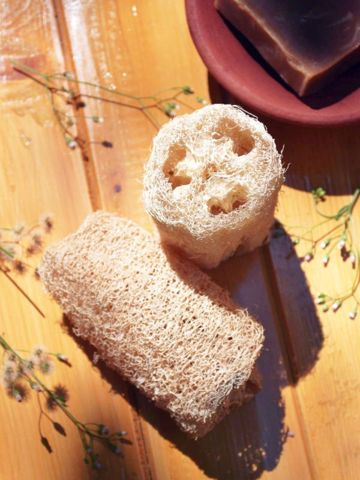
Bath — Plant-grown loofah (Luffa cylindrica) or dry brush
Why: Synthetic bath poufs made from nylon and polyester shed microplastics into water with every use and degrade into landfill waste within months. A natural loofah is grown from a plant, is fully biodegradable, and can be composted at the end of life.
How: Rinse after every use and hang vertically to dry completely. Replace every 3-4 months, or when it begins to hold odour. Compost when done.
Quick tip: Dry brushing before your shower—2 minutes of light strokes toward the heart—is excellent for circulation and requires no water or product at all.
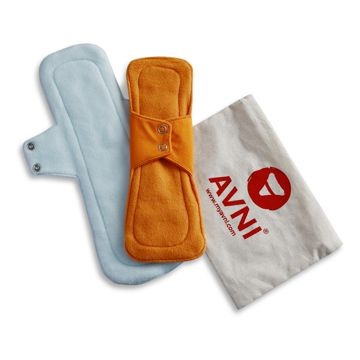
Skincare — Washable rounds in organic cotton, bamboo terry, or muslin
Why: Single-use cotton rounds add up to hundreds of pieces per person per year. Reusable cotton pads can be washed and reused 200-300 times. Over two years, a set of 15 reusable pads replaces approximately 1,000 single-use rounds.
How: Keep a small mesh laundry bag on your bathroom shelf. Toss used pads in as you go, then wash the whole bag with your regular laundry.
Quick tip: Darker-coloured pads (charcoal, grey, dark green) hide staining from skincare and makeup. Choose bamboo terry for the softest texture against the skin.
Daily Carry — Cotton, canvas, or jute reusable bag
Why: A single plastic carry bag is used for an average of 12 minutes but takes more than 500 years to decompose. India generates tens of millions of plastic bags daily. A sturdy cotton or jute tote replaces thousands of plastic bags over its lifetime.
How: Keep a foldable tote inside your handbag or near your door so you are never caught without one. Use dedicated totes for groceries, gym, and daily carry.
Quick tip: Canvas and jute totes improve with age. Choose one you genuinely like the look of—aesthetics matter for habit formation.

Mindfulness — Journal made from recycled or FSC-certified paper
Why: Writing by hand activates different cognitive pathways than typing. Research links consistent journaling with reduced stress and stronger self-awareness. A journal made from recycled or FSC-certified paper means your reflection practice does not come at the planet's expense.
How: A simple 5-minute morning ritual is sufficient: three things you are grateful for, one intention for the day, and one thing you are working through.
Quick tip: Pair your journal with a pen you enjoy writing with. The physical pleasure of the ritual—the weight of the pen, the texture of the page—is what makes the habit stick.

Kitchen — Bell metal or kansa vessel (copper-tin alloy)
Why: Non-stick coatings (PTFE-based compounds) can release toxic fumes when heated and degrade over time. Bronze and kansa cookware has been used in Indian kitchens for thousands of years. It is naturally antimicrobial and lasts generations.
How: Use kansa for cooking and serving dal, rice, and vegetables. Avoid highly acidic foods in unlined pure copper vessels. Clean with a paste of lemon and salt.
Quick tip: Kansa cookware is a lifetime purchase. Start with one serving bowl or a small kadai to experience the material before committing to a full set.

Here's how each swap stacks up against its conventional counterpart:
Menstrual care
Facial tool
Kitchen clean
Hair care
Body odour
Bath
Skincare removal
Daily carry
Mindfulness
Cooking
The biggest mistake people make when trying to live more sustainably is attempting to change everything at once. Instead, use the one-swap rule: pick one item from this guide, use it consistently for 2-4 weeks until it becomes unremarkable, then add the next.
If you are not sure where to begin, these products are the lowest-friction starting points:
Ecoyaan curates verified eco-friendly products with transparent material claims and sustainability disclosures listed on each product page. Explore eco-friendly personal hygiene products on Ecoyaan. Still confused about how to shop for the right products? Read: The Ultimate Guide to Eco-Friendly Shopping.
Sustainability is not a checklist you finish. It is a set of small choices that become the background of your life. Habits are contagious. One friend's reusable cup can start a table-wide ripple. One colleague switching to a menstrual cup can spark a conversation that shifts an entire office.
Start with curiosity, not perfection. Your best climate action in 2026 might begin with a single, intentional swap. For a deeper look at the data behind sustainable living, read: Unlocking global carbon reduction potential by embracing low-carbon lifestyles.
You do not need to be a minimalist or an activist. You need to start. Pick one swap this week. Tell a friend. Come back for the next one. That is what makes women stronger—not perfection, but persistence. Read more at ecoyaan.com/blogs.

7 mins • 2026-06-02

5 mins • 2026-05-20

6 mins • 2026-04-18
5 mins • 2026-01-23
5 mins • 2026-01-21
4 mins • 2025-12-18
0
0
Copy Link
to write a comment.