Search for 'Coir Brushes'

5 mins
2026-05-20
0
0
Copy Link
Let's be honest – the word "biofuel" sounds like something out of a policy whitepaper. Technical, distant, a little boring.
But stick with me for a few minutes, because what's happening in India's biofuel space right now is actually kind of fascinating. It cuts across farmer incomes, air quality, and – most critically – the real reason oil prices keep you up at night: the massive outflow of foreign currency.
At its simplest, a biofuel is energy made from living – or recently living – things. Plants, agricultural waste, algae, even used cooking oil.
Unlike coal or petroleum, which took millions of years to form and release ancient carbon when burned, biofuels work within the carbon cycle that exists right now. A sugarcane plant absorbs CO₂ from the air. You ferment it into ethanol. When that ethanol burns in your car engine, you're releasing roughly the same carbon the plant just pulled in. The net footprint is far lower than petrol. That's the idea, anyway.
There are three main "generations" of biofuels:
📖 External resource: International Energy Agency (IEA) – Biofuels Report
India is not tiptoeing around biofuels – it's going all in.
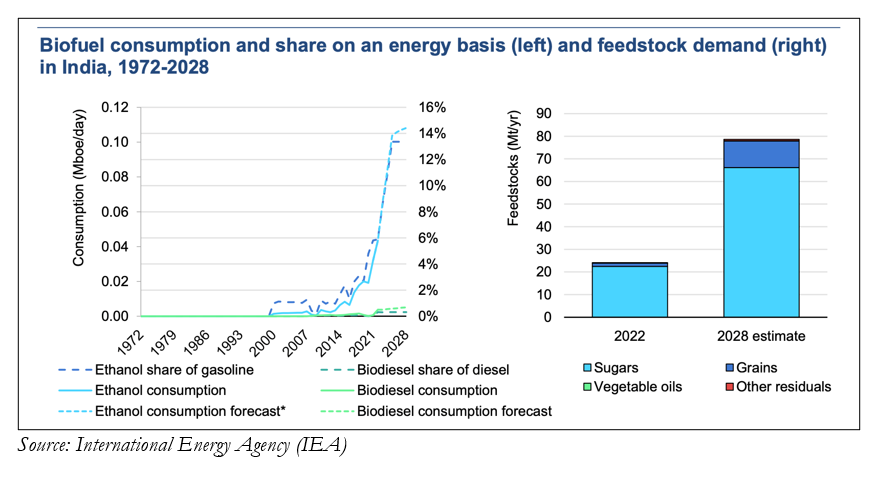
In 2025, India achieved its target of 20% ethanol blend in fuel, producing ethanol biofuel worth US$5 billion. That's a genuine milestone for a country that, not too long ago, was importing the vast majority of its petroleum needs.
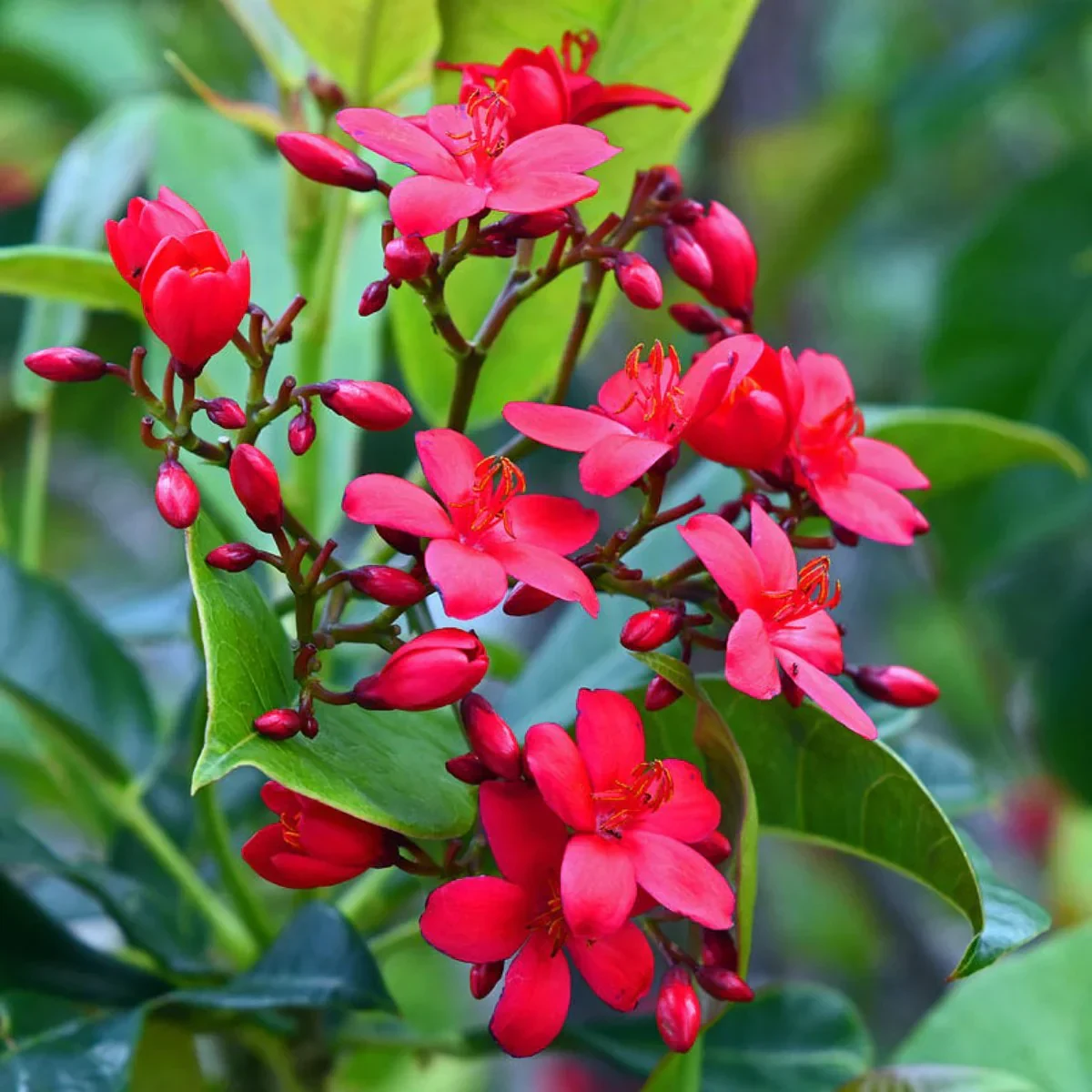
The government has introduced higher financial incentives for sugar mills producing ethanol from sugarcane and maize, and increased funding for second-generation ethanol plants that use agricultural waste. Subsidies are also being offered for setting up biodiesel refineries using non-edible oil sources such as jatropha and pongamia.
Maharashtra – with its enormous sugarcane belt – sits right at the heart of this transition. The state's sugar mills have been repurposed over the last decade to also produce ethanol, giving farmers an additional revenue stream and the country a domestic fuel source.
📖 External resource: Ministry of Petroleum & Natural Gas – National Policy on Biofuels (2022 Revision)
If you've spent any time reading about Indian biofuels, you've heard of jatropha.
Biofuel development in India has centred significantly around the cultivation and processing of jatropha plant seeds, which are very rich in oil – averaging around 34.4% oil content. [Source: Wikipedia]
What makes jatropha interesting is where it grows. Jatropha can grow in dry, marginal, non-agricultural lands, allowing villagers and farmers to leverage non-farm land for income generation – so it doesn't compete with food crops for fertile soil. It is drought-tolerant, thrives in poor soil, and produces seeds for up to 50 years. [Source: Frontiers]
That said, jatropha is not a miracle plant.
The high cost of production and a lack of firm government policy regarding biodiesel use remain the two key barriers to its successful commercial implementation. [Source: Taylor & Francis Online]
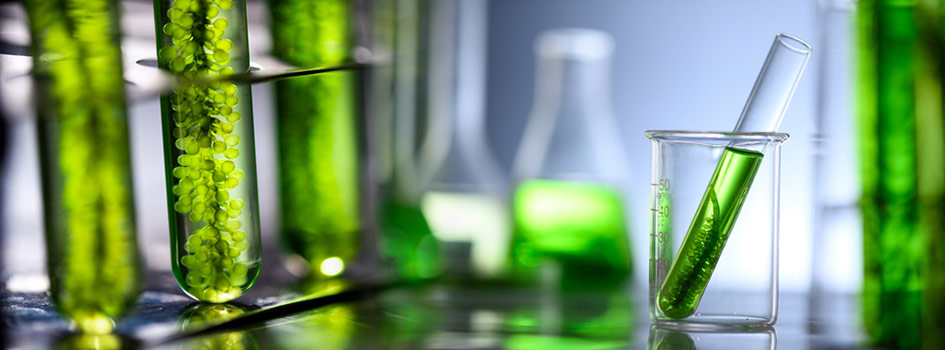
And competition is coming from above: third-generation biofuels, particularly algal biodiesel, may pose a serious challenge, since the oil content per unit mass of algae is much higher than that of jatropha. [Source: Taylor & Francis Online]
📖 External resource: Frontiers in Energy Research – Critical Review of Jatropha
Here's where things get locally interesting.
Pune has quietly become a hub for biofuel research, driven by its network of universities and research institutes affiliated with Savitribai Phule Pune University (SPPU) and national labs like the National Chemical Laboratory (NCL).
Across the city, researchers are working on practical bottlenecks that industry alone hasn't solved.
Key research areas in Pune and surrounding labs today:
This is applied, messy, unglamorous science. And it's exactly what India needs. World-class energy research doesn't only happen in IITs – sometimes it happens in a lab tucked away on a busy Pune street.
📖 External resource: National Chemical Laboratory (NCL) Pune – Bioenergy Research Group
No conversation about biofuels is complete without acknowledging the tensions.
Diverting grain and corn to produce ethanol has contributed to higher food prices and deforestation in places like Brazil and Southeast Asia. India has been mindful of this – which is why the policy emphasis on non-edible feedstocks like jatropha matters.
📖 External resource: ScienceDirect – Food vs Fuel: A Meta-Analysis
Although jatropha can grow rain-fed in water-scarce areas, irrigation may be applied for increased yields, consequently using relatively large amounts of water compared to other biofuels. [Source: PubMed Central]
Get the land use wrong, and the emissions math falls apart entirely. Removing natural forest for jatropha cultivation would defeat the entire purpose.
📖 External resource: PubMed Central – Water Footprint of Biofuels in India
Biofuels are not automatically green. They have to be done right – with resource efficiency during crop cultivation, minimal fertiliser use, and optimal site selection.
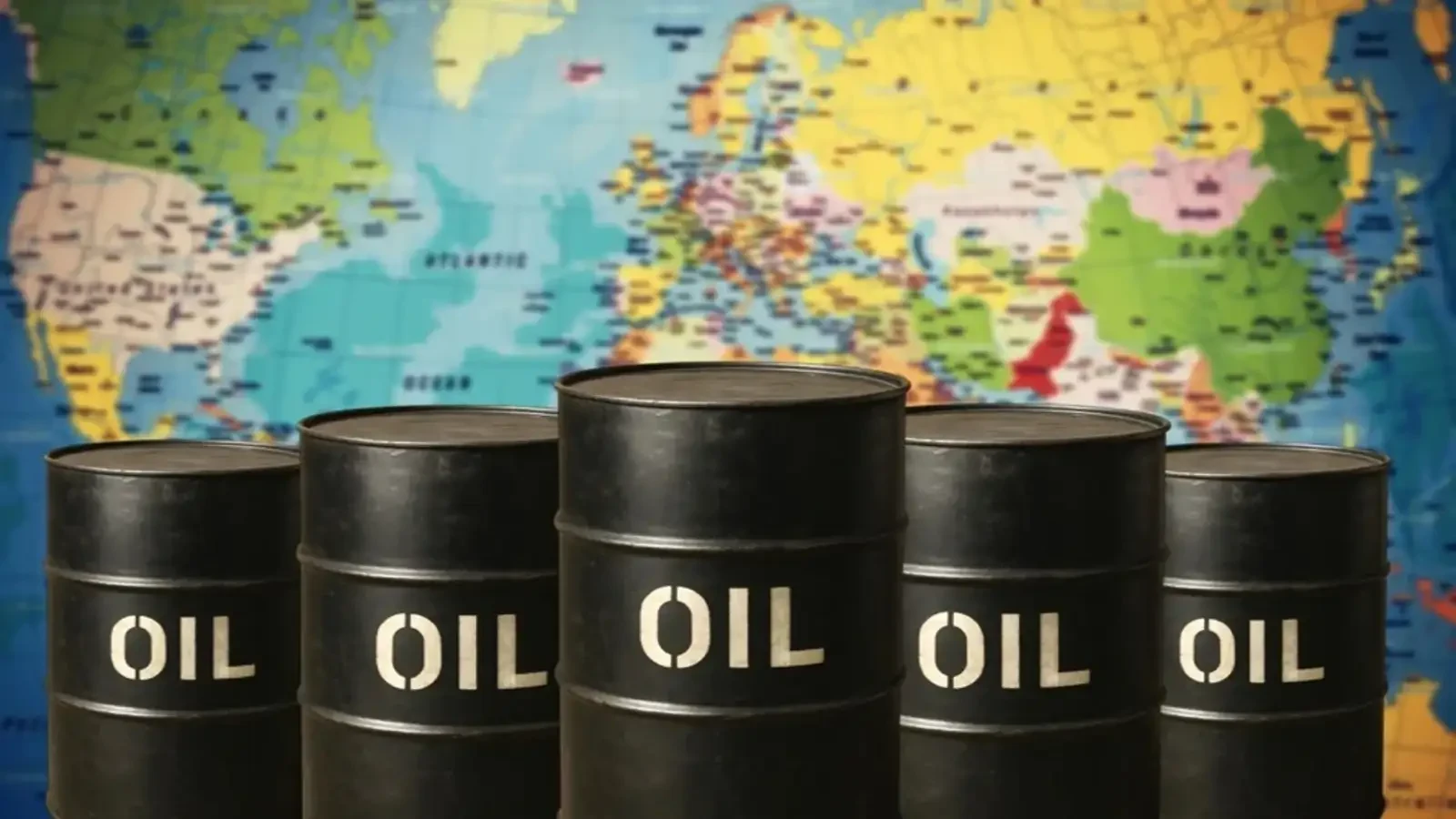
Let's talk about the elephant in the room that most environmental articles avoid: money. Specifically, foreign exchange (Forex).
India is the world's third-largest importer of crude oil. In the financial year 2023-24, India imported crude oil worth approximately $160–180 billion (over ₹14 lakh crore).
That is not a number. That is a sustained haemorrhage of foreign currency.
📖 External resource: Petroleum Planning & Analysis Cell (PPAC) – Import Statistics
Every percentage point of ethanol blending reduces India's crude import bill by roughly ₹1,500–2,000 crore in avoided imports.
Achieving 20% blending (which India has now done) represents an annual reduction in forex outgo of approximately ₹30,000–40,000 crore. That is real money. That is money that can instead be spent on schools, hospitals, or defence.
Can biofuels truly free India from crude oil dependency?
The honest answer is: No, not alone.
India still consumes over 5 million barrels of crude oil per day. Even with 20% ethanol in petrol and nascent biodiesel production, we are talking about replacing perhaps 5-7% of total crude-derived fuel by volume. Heavy vehicles (trucks, ships, planes) cannot run on current biofuels without expensive engine modifications.
However, that is not the right benchmark. Biofuels are not a replacement for crude. They are a strategic hedge.
By shaving off even 5-10% of demand, India gains leverage in global oil negotiations. More importantly, a domestic biofuel industry keeps money circulating within rural India rather than flowing out to the Middle East.
There is no feel-good answer here. Biofuels are part of the answer – but only part.
📖 External resource: International Energy Agency – Net Zero by 2050 Roadmap (Biofuels section)
You might be reading this and thinking: okay, but what does any of this have to do with me?
Quite a bit, actually.
| If you care about... | Then biofuels matter because... |
|---|---|
| Fuel prices | Domestic ethanol buffers against global crude shocks |
| Air quality | Biofuels burn cleaner than petrol (less sulphur, fewer particulates) |
| Farmer incomes | Biofuel feedstocks create an additional revenue stream for agriculture |
| The rupee's value | Lower oil imports = stronger rupee = cheaper imported goods |
| Energy security | Every litre of biofuel is a litre we don't need to import |
According to the International Energy Agency, biofuels have the potential to meet more than a quarter of world demand for transportation fuels by 2050 – if favourable policies and investments are in place.
📖 External resource: IEA – The Role of Biofuels in Transport Decarbonisation
That future isn't inevitable. It requires continued investment, honest research, and public awareness. The choices we make as consumers, citizens, and communities actually shape what that future looks like.
The researchers working late in microbiology labs across Pune, trying to coax a yeast strain into surviving just a little longer in high-ethanol conditions – they're part of that story.
The farmer planting jatropha on land that nobody else wanted – they're part of it.
So are you, the next time you choose to ask: Where does my fuel actually come from?
7 mins • 2026-06-02

6 mins • 2026-04-18

6 mins • 2026-03-31

5 mins • 2026-01-23

5 mins • 2026-01-21

4 mins • 2025-12-18
0
0
Copy Link
to write a comment.