Sustainable Kitchen Swaps: 5 Easy Ways to Ditch Disposables & Go Plastic-Free
Introduction:
Have you ever wondered if you can live comfortably without plastic? You're not alone. While more people seek eco-friendly habits, the transition can feel overwhelming—cost, convenience, and confusion about "green" products often hold us back.
But here's the truth: ditching plastic doesn't have to be hard or expensive. Small, intentional swaps in your kitchen can add up to big environmental wins. Let's explore five simple, budget-friendly changes to reduce waste and create a plastic-free home—starting today.
Why the Kitchen?
The kitchen is a major source of single-use plastics, from cling wrap and sponges to food packaging and storage containers. These items often end up in landfills, where they release methane, a potent greenhouse gas, and pollute ecosystems. Plastic use in the kitchen can also lead to microplastic ingestion. Fortunately, sustainable alternatives are readily available and are often cheaper, healthier, and more durable in the long run.
5 Sustainable Kitchen Swaps
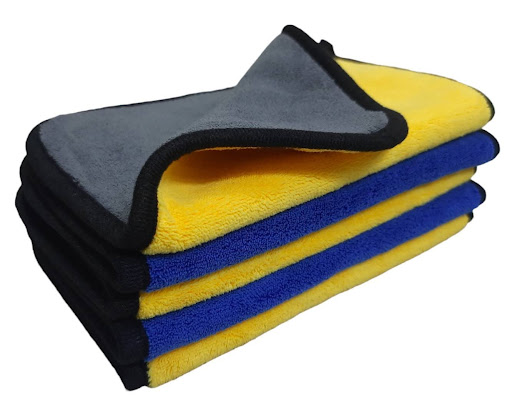
- Replace Paper Towels with Cloth: Use reusable microfiber cloths or even torn-up old t-shirts instead of single-use paper towels. Paper waste can be greatly decreased by using these, which can be cleaned and reused indefinitely. Wash your used clothing frequently and keep it in a special container.
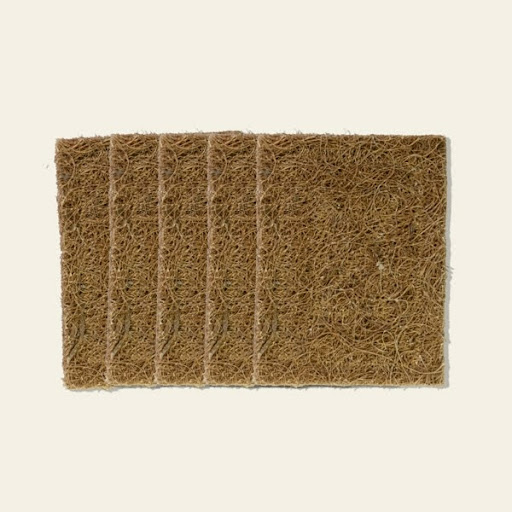
- Sponges: Traditional sponges are often made from plastic and harbor bacteria. Opt for natural loofah sponges (made from a plant!), bamboo dish brushes with replaceable heads, or even cotton dishcloths. Loofahs are compostable at the end of their life.
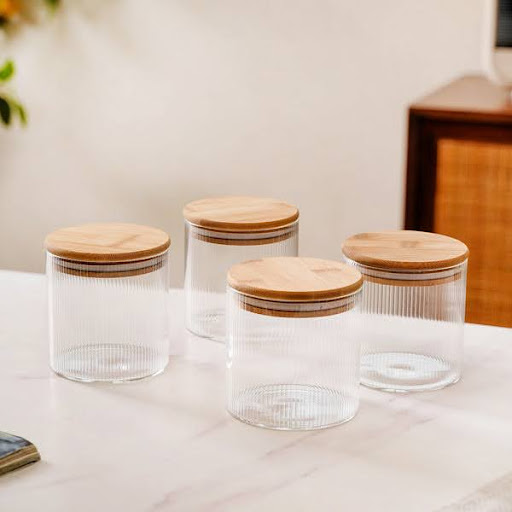
- Plastic Containers for Sturdy Glass Storage: Make a bid farewell to suspect odors and dangerous substances seeping into your leftovers. Rather, welcome to modern, stackable glass storage containers that preserve the freshness and chemical-free nature of your food. Cleaning and reheating these beauties is a breeze because they are dishwasher and microwave-safe. Who knew your kitchen could feel so rejuvenating by eschewing plastic?
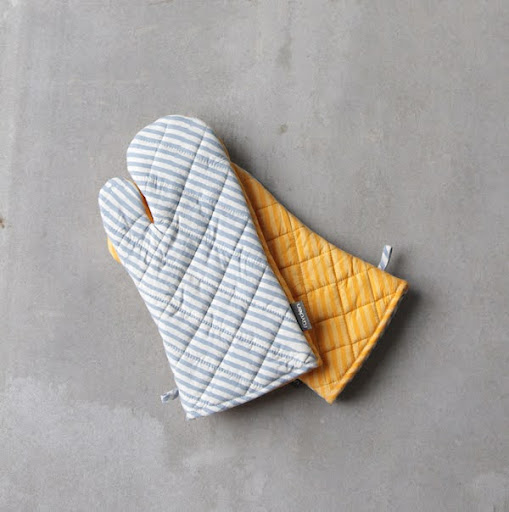
- Recycled Mittens: Recycled cotton gloves and oven mitts are an excellent environmentally friendly option. These lessen the waste from textiles. Reusable baking gloves are often made of silicone and organic cotton. These products frequently come from ethical sources and don't contain any dangerous chemicals. Buying high-quality reusable gloves that will last for a very long time will reduce the need for more frequent purchases and be the most environmentally friendly option.
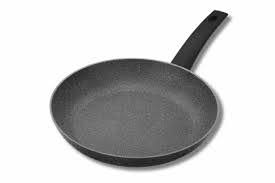
- Non Teflon pans: PFCs [Perfluorinated Compounds], can be found in conventional Teflon coatings. Worries over these compounds potential health risks and environmental persistence have been highlighted. Teflon can generate toxic fumes when it overheats. Teflon coatings need to be replaced often since they may degrade over time, especially when scratched. This adds to the waste materials. Rather than that, choose the durable cast iron or stainless steel which are more sustainable and you can also check out ceramic and carbon steel offering non-stick options.
Conclusion:
It's a journey (yaan in Sanskrit) rather than a race to make sustainable changes in your house. Make a few simple adjustments at first, then add more as you go. In order to lessen your impact on the environment and leave a healthy planet for future generations, every little move counts. Choose items that reflect your values, do your homework, and reap the rewards of living a more sustainable lifestyle!
Research and Facts:
- "Plastic production has increased exponentially, from 2 million tonnes in 1950 to 400 million tonnes in 2022." (United Nations Environment Programme (UNEP))
- "Potent greenhouse gases are emitted by plastics found in landfills." (United Nations Environment Programme (UNEP))