Top 12 Eco-Friendly Habits to Build in 2026
By Harshita Mudgal
5 mins
2026-01-21
0
0
Copy Link
📑 Table of Contents
Overview
Climate action isn’t only about large-scale policies and innovations; it also depends on everyday behaviour. This post focuses on simple, practical sustainability habits you can adopt in 2026, actions that are consistent, easy to repeat, and realistic for daily life.
These individual actions may seem small, but research shows that repeated sustainable habits lower household carbon footprints and influence social norms around consumption. The goal here isn’t to be “perfectly sustainable,” but to build steady momentum. Start with a single habit, establish it, and gradually add more.
Source: Unlocking global carbon reduction potential by embracing low-carbon lifestyles
Why 2026 and why habits matter now
2026 will continue to see wider availability of eco-friendly products, better waste-management infrastructure in cities, and stronger policy pushes toward decarbonization. However, technologies and policies only create meaningful change when people actually use them. That’s where habits matter.
Consistent consumer behaviour sends clear market signals, reduced demand for disposable products encourages companies to redesign packaging, expand recycling systems, and invest in sustainable materials. In other words, your daily choices contribute to the shift toward a low-carbon economy. Starting to build these habits now means participating actively in that transition rather than waiting for change to arrive.
Read more on how to decarbonize india: India’s urban infrastructure for a low-carbon future | World Economic Forum
Quick primer: Jargons Simplified
- Circular economy — design that keeps materials circulating (repair, reuse, recycle).
- Life Cycle Assessment (LCA) — a method to measure environmental impact across a product’s entire life.
- Embodied carbon — emissions created during a product’s manufacturing and transport.
- Microplastics — tiny plastic fragments that seep into ecosystems from everyday items.
Top 12 Eco-Friendly Habits (what, why, how) 🌍
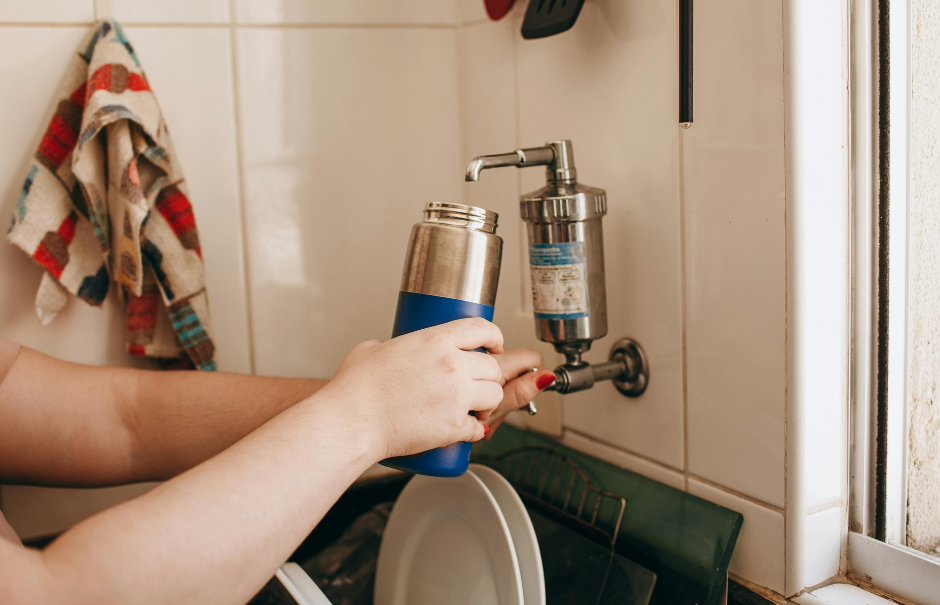
1. Carry a reusable bottle + mug ☕
Why: Single-use bottles and takeaway cups are huge waste streams.
How: Keep a compact bottle in your bag and a collapsible mug at work. Set a reminder on day 1 to pack them; by day 14 it’s muscle memory.
Quick tip: Use double-walled bottles for hot/cold and avoid plastic liners.
2. Food-first waste reduction: meal-planning & composting 🥗
Why: Food waste is both wasted money and wasted emissions. Composting returns nutrients to soil.
How: Plan 3–4 meals/week, freeze leftovers, and start a small home compost (or use community compost drop-offs).
Quick tip: Chop veggies in batch and freeze — fewer “what’s for dinner” waste moments.
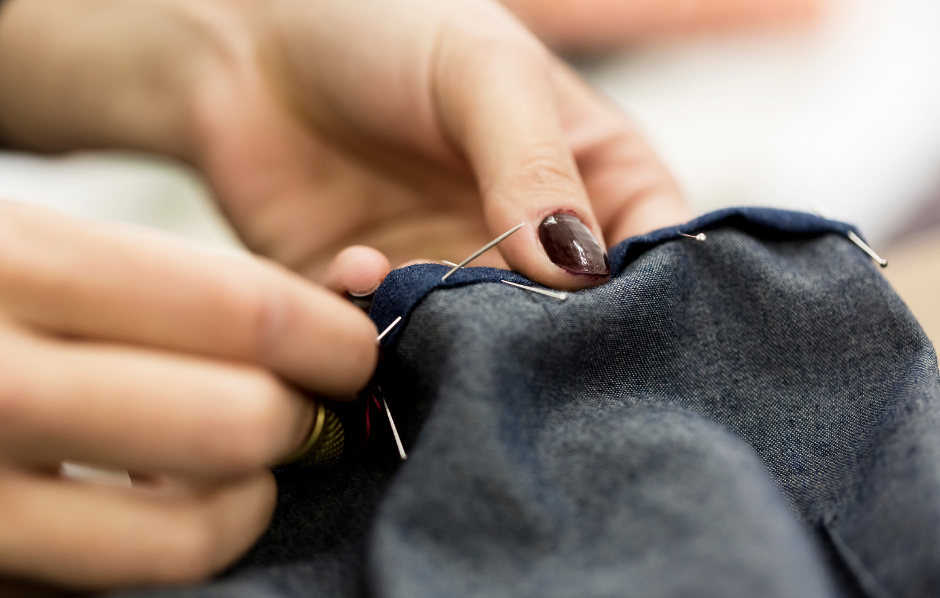
3. Shop secondhand & repair first 🧵
Why: Extending product life reduces embodied carbon.
How: Before buying, check thrift apps, local swaps, or mending cafes. Learn two basic repairs (button sew, hem).
Quick tip: A small sewing kit in your drawer saves dozens of garments.
4. Reduce energy waste at home (lighting & standby vampirism) 💡
Why: Tiny energy drains add up like chargers, idle electronics.
How: Switch to LEDs, use smart power strips, and adopt a habit: “unplug at night.”
Quick tip: Use a single surge strip for entertainment systems; flip it when not in use.
5. Prioritize low-impact transport: walk, bike, shared rides 🚶♀️
Why: Short trips by car are a major emissions source.
How: Replace trips under 3 km with walking or biking. Try a 30-day challenge: one car-free day per week.
Quick tip: Pack a foldable tote and shoes to make spontaneous walks easier.

6. Cut back on fast fashion: adopt a capsule wardrobe 👗
Why: Fast fashion is resource- and pollution-intensive.
How: Build a small, mix-and-match capsule of high-use pieces. Buy quality for items you wear often.
Quick tip: Keep a “wish list” for 30 days; many impulse buys fade after a month.
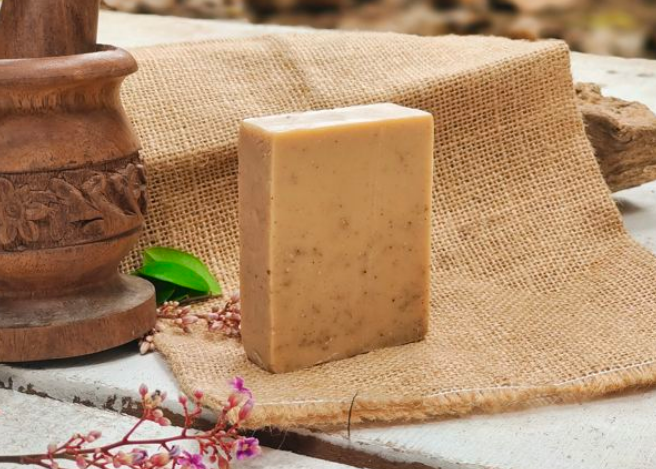
7. Choose low-waste personal care (solid soaps, refill systems) 🧼
Why: Toiletry packaging and microbeads add plastic and pollution.
How: Try solid bars, refill pouches, or local refill stations for shampoo/soap.
Quick tip: Store bars on a draining soap dish to make them last longer.
8. Reduce single-use foodware – BYO containers 🍱
Why: Disposable packaging multiplies at takeout and markets.
How: Carry a small container and cutlery set for leftovers or street food. Ask vendors politely for \"no plastic.\"
Quick tip: Keep a dedicated pouch in your bag so you don't forget it.
9. Mindful grocery shopping, focus on seasonal & local 🛒
Why: Local, seasonal produce often has lower transport footprint and fresher nutrients.
How: Learn one seasonal vegetable per month and build meals around it. Try farmers’ market once a month.
Quick tip: Freeze or can surplus seasonal produce to enjoy it all year.
10. Reduce meat/animal product footprint 🥬
Why: Animal agriculture often has higher land and water use per calorie.
How: Start with Meatless Mondays or swap one meal per day to plant-based. Small shifts are sustainable long-term.
Quick tip: Use legumes and grains to create hearty, satisfying meals, not just salads.

11. Choose repairable, modular electronics and extend their life 🛠️
Why: E-waste is growing fast and contains toxic materials.
How: Prioritize brands with repair policies or buy certified refurbished. Keep devices for +2 years longer by replacing batteries/screens.
Quick tip: Back up files and do a fresh install instead of replacing a slow laptop.
12. Vote with your wallet & voice: support sustainable businesses 🛍️📢
Why: Consumer demand shapes markets; civic engagement shapes policy.
How: Subscribe to one sustainable brand, support local circular initiatives, and use your social platforms to amplify eco actions.
Quick tip: Small monthly donations to credible environmental orgs add up and keep you committed.
Note: Pick 1–3 habits from this list that align with your life (commute, kitchen, clothes). Start there. Consistency matters more than intensity.
How to make these habits stick : Routine Ideas
- Habit stacking: Pair a new habit with an existing routine. E.g., pack reusable cutlery when packing lunch. It removes the need for extra decision-making.
- Two-week wins: Commit for 14 days. This short window helps shift behaviour from effort to routine and keeps motivation high.
- Accountability buddy: Find a friend and set shared goals—like one car-free day per week. Social commitment increases follow-through.
- Micro-goals: Swap vague targets like “go zero waste” for measurable actions, e.g., bring a reusable cup twice a week. Small wins build momentum.
Common pitfalls & greenwashing warning signs ⚠️
- “Eco” labels without transparency: If a product claims “eco” but provides no materials or LCA info, be skeptical. Check for greenwashing.
- Overconsumption of “green” products: Buying many single-use “eco” items defeats the purpose.
- Quick-fix guilt: One slip doesn’t erase impact, focus on long-term patterns.
Quick tools & starter product ideas
- Reusable food wraps and storage alternatives to replace single-use cling film
- Eco-friendly bottles and travel mugs for everyday hydration
- Kitchen compost tools to help manage food scraps
- Refillable personal care products like low-waste shampoo and conditioner
- Durable reusable cutlery and utility accessories for daily use
Final thoughts: small, social, and sustained
Sustainability isn’t a checklist you finish, it’s a set of small choices that become the background of your life. Habits are contagious. One friend’s reusable cup can start a café-table ripple. Start with curiosity, not perfection. In the new year, your best climate action might begin with a single, intentional swap.
Still confused about how to shop for the right products? Checkout our guide: The Ultimate Guide to Eco-Friendly Shopping | Ecoyaan
FAQs
- How many habits should I start at once?
Start with one. Master it for 2–4 weeks, then add another. - Are eco products always more expensive?
Some are upfront-costly but cheaper long-term (durable bottles, quality shoes). Consider lifetime cost, not just price tag. - Is composting worth the effort in an apartment?
Yes, use bokashi, worm bins, or community compost drop-offs for small spaces. - How do I avoid greenwashing?
Look for transparency (materials, certs, LCA data) and minimal, durable packaging. - Will small household changes really make a difference?
Yes, aggregated individual behavior drives market demand and reduces waste. - How do I make plant-based meals satisfying?
Use umami-rich ingredients (miso, mushrooms), hearty legumes, and grains for texture and flavour. - What’s the easiest transport swap?
Replace short car trips with walking or cycling; try one car-free day per week. - How do I talk to a family who doesn't care about eco choices?
Start with cost and convenience benefits, not guilt. Small shared actions (meal planning) are less confrontational. - Is buying secondhand actually hygienic?
Yes, many items (clothing, books) are safe; wash or sanitize when in doubt. - How do I track my progress?
Use a simple habit tracker or journal. Note saves (money, waste avoided) to stay motivated. - Where can I learn more about impact measurement?
Look up Life Cycle Assessment (LCA) and carbon footprint calculators for product and lifestyle comparisons.
Related posts

7 mins • 2026-06-02
Climate Change in 2026: What the Data Says, What It Means for India, and What You Can Do
5 mins • 2026-05-20
Filling Up on the Future: What Biofuels Mean for India

6 mins • 2026-04-18
Sustainable Travel Tips: How to Explore the World Without Trashing It

6 mins • 2026-03-31
What Makes Women Stronger: 10 Everyday Swaps for a Better Body and Planet

5 mins • 2026-01-23
The Zero-Waste Bathroom: 5 Easy Swaps to Cut Plastic & Waste

4 mins • 2025-12-18
Period Wear: A Practical Guide to Reusable Period Panties, Pads & Other Options
What do you think?
0
0
Copy Link
to write a comment.