Rivers in Crisis: India vs. the World 2025
By Priya Kukrety
4 mins
2025-10-08
0
0
Copy Link
Rivers in Crisis: India vs. the World 2025
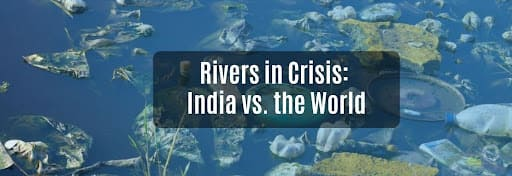
Discover the shocking truth about global river pollution and India's water crisis. From fashion's hidden impact to menstrual waste, explore how we can protect our lifelines.
The Global Picture: A Planetary Emergency
Did you know that globally rivers have suffered an 85% decline in freshwater biodiversity in just 50 years? This is the steepest fall of any ecosystem on Earth, and it threatens not only aquatic life but human survival.
Some key facts:
- 2.2 billion people still lack access to safely managed drinking water (WHO/UNICEF, 2023).
- Freshwater species populations have dropped 85% since 1970.
- Amazon pink dolphins have declined by ~50–65% since 1994 (WWF).
- 402 river basins worldwide face reduced river flow—a fivefold increase since 2005.
- Over 107 million people are directly affected by water-stressed river basins.
From the Amazon rainforest to Europe's waterways, the crisis is global. Rivers are drying, polluted, and overexploited. Climate change is intensifying the emergency, making river conservation a critical battleground for our collective future.
🇮🇳 India's River Pollution Crisis: A National Emergency
India tells an even grimmer story. Despite housing 18% of the world's population, we hold only 4% of global freshwater resources. Our rivers are choking under sewage, industrial effluents, and plastic waste.
Key statistics:
- dia's surface water is unfit for consumption (CPCB).
- 38,000+ million litres of wastewater enter rivers daily.
- Industries discharge 300–400 million tonnes of waste annually.
- 311 polluted river stretches across 30 states were reported by CPCB in 2022 (down from 351 in 2018, but still alarming).
🚨 The Yamuna in Delhi, the Sabarmati in Gujarat, and the Cauvery in South India are among the most polluted. In Bengaluru, several lakes (like Bellandur) regularly catch fire from chemical waste.
These examples reveal that river pollution is not a distant threat—it is already disrupting daily life, livelihoods, and health across India.
👗 Hidden Culprit: Fashion's Devastating Impact on Waterways
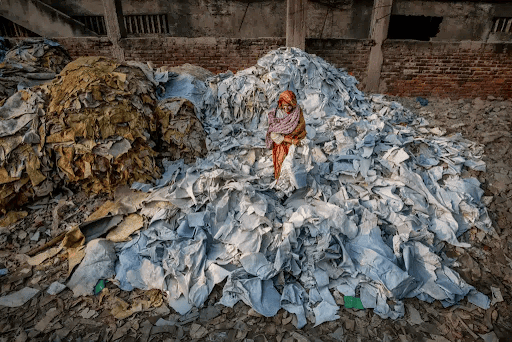
The fashion industry is a silent polluter:
- Consumes 10% of global CO₂ emissions—more than aviation & shipping combined.
- Accounts for 20% of global clean-water pollution, largely from textile dyeing.
- Each polyester wash releases up to 700,000 microfibres into rivers.
- Synthetic textiles are the largest source of microplastics in oceans (35%).
In India, the Tiruppur textile hub poisoned the Noyyal River with effluents, leaving toxic heavy metals in sediments. Though zero-liquid-discharge systems now exist, groundwater and reservoirs remain contaminated.
👉 Explore Ecoyaan's eco-friendly fashion alternatives
♻️ Menstrual Waste: A Hidden Pollutant in Indian Rivers
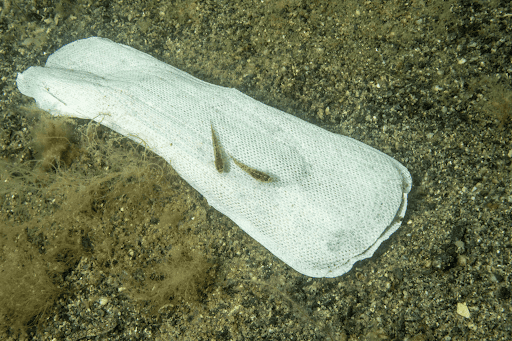
Menstrual waste is rarely discussed but is a massive hidden contributor:
- India discards 12.3 billion pads annually, producing 137,000 tonnes of waste (SBM Urban, 2022).
- Pads contain up to 90% plastic, taking 500–800 years to decompose.
- Around 18% of menstrual waste ends up in rivers or streets, while 9% is flushed into toilets.
🌱 Switching to cloth pads and menstrual cups can cut this waste by 90%.
🕊️ Signs of Hope: The Ganga's Revival
The National Mission for Clean Ganga (NMCG) shows how change is possible:
- 167 sewage treatment plants operational, treating 3,781 MLD daily.
- Investments of ₹19,600+ crore since 2014.
- Ganga dolphin population has nearly doubled to ~3,700–4,000.
- Eco-tourism initiatives like river walks, bird-watching, and artisan crafts are creating livelihoods while promoting river protection.
This progress proves that with the right investment and citizen support, rivers can be restored to life.
🚀 The Road Ahead: What We Can Do
This World Rivers Day 2025, the choice is ours.
- Refuse single-use plastics.
- Opt for sustainable fashion and eco-cleaners.
- Support local artisans and green brands via eco-friendly marketplaces like Ecoyaan.
- Spread awareness—because collective action creates ripples of change.
When we protect rivers, we protect our health, biodiversity, and future generations.
❓ FAQs on River Pollution & Sustainable Living
- Q1: Why are India's rivers more polluted than global rivers?
A: Rapid urbanisation, untreated sewage, and industrial waste overload Indian rivers. CPCB says 70% of surface water is unsafe. - Q2: How does fashion contribute to river pollution?
A: Textile dyeing, chemical effluents, and synthetic fibre washes make fashion responsible for 20% of clean-water pollution worldwide. - Q3: What role does menstrual waste play?
A: India discards over 12 billion pads annually, many of which reach rivers. Each pad contains plastic and takes centuries to break down. - Q4: What eco-swaps can I make to protect rivers?
A: Switch to reusable bottles, natural detergents, cloth pads, and eco-friendly fashion. All are available on Ecoyaan.
Related posts
7 mins • 2026-06-02
Climate Change in 2026: What the Data Says, What It Means for India, and What You Can Do
5 mins • 2026-05-20
Filling Up on the Future: What Biofuels Mean for India

6 mins • 2026-04-18
Sustainable Travel Tips: How to Explore the World Without Trashing It

6 mins • 2026-03-31
What Makes Women Stronger: 10 Everyday Swaps for a Better Body and Planet

5 mins • 2026-01-23
The Zero-Waste Bathroom: 5 Easy Swaps to Cut Plastic & Waste

5 mins • 2026-01-21
Top 12 Eco-Friendly Habits to Build in 2026
What do you think?
0
0
Copy Link
to write a comment.