Overview
Reusable period wear (period panties, reusable pads, etc.) are underwear or fabric products engineered to absorb menstrual blood, reduce reliance on single-use products, and cut menstrual waste. They look and feel like normal underwear while using layered fabrics to wick and trap fluid. Reusable options sit alongside menstrual cups and reusable pads as mainstream, lower-waste choices.
What is period wear and why does it matter?
What it is:
Period wear includes period underwear (a single garment with built-in absorbent layers) and reusable cloth pads. Both are washable, long-lasting alternatives designed to replace disposable pads and tampons. Modern period wear is made to be leak-resistant, breathable, and suitable for everyday comfort.
Why it matters:
A single menstruator uses 5,000–10,000 disposable pads and tampons in a lifetime , most of which end up in landfills. India alone generates an estimated 113,000 tonnes of menstrual waste every year , and each disposable pad can contain up to 90% plastic, taking 500–800 years to decompose. Reusable options like period underwear and cloth pads can reduce menstrual waste by over 90%, dramatically lowering plastic pollution and landfill load.
Beyond environmental impact, they can also be more affordable: switching to reusables can save users ₹8,000–₹15,000 over five years, depending on usage. Choosing reusables is a small lifestyle shift with a significant long-term environmental and cost benefit.
Source: Menstrual Waste Report.pdf (we recommend you read this to understand disposal of menstrual products in depth)
How period underwear works: materials & tech
Period underwear is engineered with multiple functional layers that pull moisture away from the skin, absorb menstrual flow, and prevent leaks throughout the day.
- Top (inner) layer: A soft, moisture-wicking fabric such as microfiber, modal, or treated cotton to keep the skin dry.
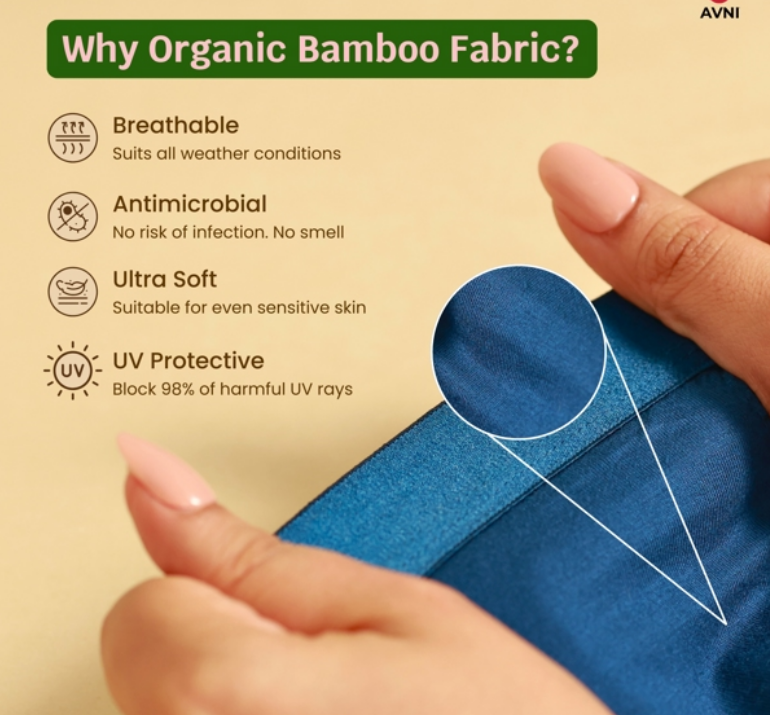
- Absorbent core: One or more layers of high-absorbency cotton, bamboo viscose, microfiber, or technical absorbent textiles designed to hold the equivalent of several pads or tampons, depending on brand and flow level.
- Leak-proof barrier: A thin polyurethane laminate (PUL) or other waterproof but breathable membrane that prevents leaks without adding bulk.
Different brands vary the number of layers, fabric blends, and absorbency capacities, and many now incorporate antimicrobial or odor-control treatments.
To stay safe, look for "PFAS(per- and polyfluoroalkyl substances)-free," "no fluorinated compounds," or brands that provide transparent material disclosures and third-party testing.
Benefits: personal, environmental & financial (data-driven)
Personal Comfort and Convenience
- Studies note fewer leaks compared to poorly-fitted disposable pads.
- Ideal for light to medium flow days.
- For heavy flow, they work best when paired with a cup, tampon, or an extra pair.
- No adhesive irritation; good for students, commuters, and working professionals seeking all-day comfort.
Environmental Impact
- Life-cycle assessments show reusable period underwear and menstrual cups have significantly lower environmental impact across waste, carbon footprint, and resource use.
- India generates 113,000 tonnes of menstrual waste every year , much of it plastic-heavy disposables.
- Switching to reusables helps reduce landfill load, plastic pollution, and long-term environmental damage.
Read more on environmental impact: Safe Menstrual Waste Disposal and Pollution Control
Cost over time
- Higher upfront cost, but lower per-year spending over the 2–4 year lifespan of period underwear.
- Reusable options can amount to only a small fraction of the lifetime cost of constant disposable purchases.
- Indian users who spend ₹200–400 per month on pads may save significantly by switching to reusables.
Healthy and safety note
- Safe when washed with mild detergent and fully dried.
- Independent tests in the U.S. and Europe found some period underwear containing PFAS ("forever chemicals").
- Choose brands that are PFAS-free, publish third-party lab results, or offer fully disclosed material lists.
How to choose the right period wear for your flow and lifestyle?
Quick selection checklist
- Flow level (light / medium / heavy) - check absorbency rating on product.
- Style & fit - hipster, high-waist , briefs; comfort matters.
- Material transparency - look for "PFAS-free", OEKO-TEX or lab testing.
- Care instructions - machine wash? temperature limits? avoid fabric softeners.
- Lifespan - typical: 1–3 years depending on brand & care.
- Return & size policy - hygiene items vary; check before buying.
Comparison:
Absorbency
Period Underwear: Light→medium→heavy options (depends on layers)
Disposable Pads: Single-use, high absorbency
Menstrual Cup: High (up to 12 hrs)
Maintenance
Period Underwear: Wash & dry (low effort)
Disposable Pads: Throwaway
Menstrual Cup: Rinse + sterilize
Environmental impact
Period Underwear: Low (over lifetime)
Disposable Pads: High (plastic waste)
Menstrual Cup: Low (long lifespan)
Upfront cost
Period Underwear: Medium–high
Disposable Pads: Low per pack
Menstrual Cup: Medium (long term cheap)
Best for
Period Underwear: Daily wear, commuting, sleep (light–moderate)
Disposable Pads: Convenience, medical settings
Menstrual Cup: Long outings, heavy days, cost-savers
| Feature | Period Underwear | Disposable Pads | Menstrual Cup |
|---|
| Absorbency | Light→medium→heavy options (depends on layers) | Single-use, high absorbency | High (up to 12 hrs) |
| Maintenance | Wash & dry (low effort) | Throwaway | Rinse + sterilize |
| Environmental impact | Low (over lifetime) | High (plastic waste) | Low (long lifespan) |
| Upfront cost | Medium–high | Low per pack | Medium (long term cheap) |
| Best for | Daily wear, commuting, sleep (light–moderate) | Convenience, medical settings | Long outings, heavy days, cost-savers |
If you want to try period underwear, Ecoyaan curates verified reusable period panties (materials, absorbency and sustainability claims listed on each product page), so you can trust the product without worrying about the authenticity. Checkout Reusable Period Panty by Avni Wellness
Washing & care: step by step
How to wash (basics):
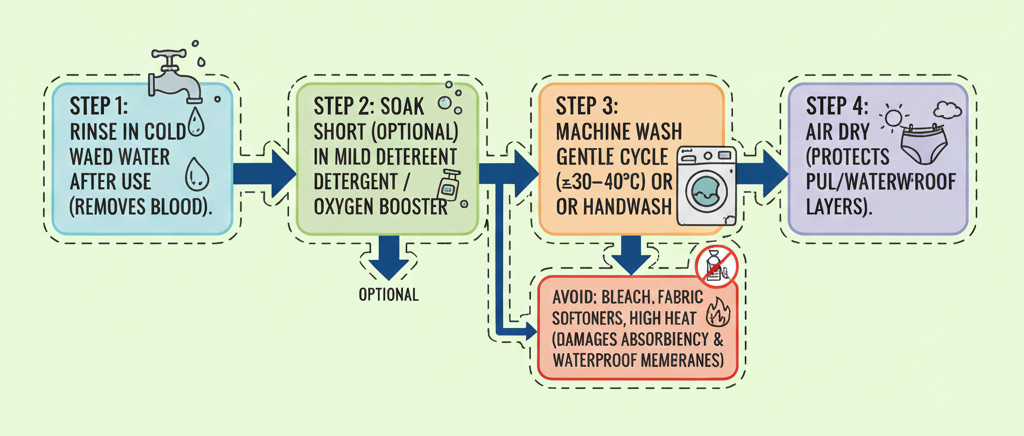
- Rinse in cold water after use (helps remove blood).
- Soak short (optional) in mild detergent or oxygen laundry booster.
- Machine wash on gentle cycle at ≤30–40°C, or handwash.
- Avoid bleach, fabric softeners, and high heat as they break absorbency and waterproof membranes.
- Air dry because heat can damage PUL/waterproof layers.
The CDC and other health resources note that period underwear is machine-washable; always follow manufacturer instructions for temperature and detergents.
Common mistakes to avoid:
- Using fabric softener (reduces absorbency).
- High-heat drying (warps membranes).
- Leaving moist garments in a closed laundry basket (can encourage odors).
☑️ Quick tips: Wash with similar colors, treat stains quickly, and rotate 2–3 pairs for convenience.
When period panties aren't enough (Pairing Options)
- Heavy flow: combine panties with a cup or tampon for extra security.
- Overnight on heavy days: wear a heavy-absorbency pair plus a backup pantyliner.
- Sport & high-impact: look for athletic cuts with extra absorbency or pair with a cup.
Final thoughts: Is switching worth it?
If reducing waste and long-term cost matters to you (which we believe should), trying period underwear is low-risk : start with 1–2 pairs for light/medium days, learn care tips, and adjust. Keep an eye on brand transparency about chemicals and lab testing. Comparative studies point to clear environmental benefits when reusables are cared for correctly.
Myth vs Fact
Myth: Period underwear is unhygienic.
Fact: When rinsed and washed correctly, reusable period underwear is absolutely hygienic and safe. The CDC confirms they are machine-washable if cared for properly.
Myth: Period underwear is too expensive to be practical.
Fact: While the upfront cost is higher, reusable underwear lasts 2–4 years, making it far cheaper over time than buying ₹200–400 worth of pads every month. Trust the math.
FAQs
- How many pairs of period underwear should I buy?
Aim for 3–6 pairs so you can rotate, rinse, and wash without daily laundry. - Can period underwear replace pads on heavy days?
Some heavy-absorbency panties may suffice, but many people prefer pairing with a cup or tampon for very heavy days. - How long do they last?
Most brands estimate 1–3 years depending on care and frequency of use. - Will they smell?
If washed promptly and dried properly, odor is minimal. Rinsing cold water after use helps. - Are period panties safe for teens?
Yes. They're suitable for teens, but choose correct sizes and follow care guidance. - Can I wear them overnight?
Yes. Choose the heavy-absorbency or overnight styles. - What if it leaks?
Try a larger absorbency level, check fit, or combine with a backup product. - Do they cause yeast infections?
Not inherently. Keep garments dry when not in use, wash well, and avoid irritant detergents. If you have recurring infections, consult a healthcare provider. - Are they eco-friendly in countries with water scarcity?
Washing uses water, so consider your local water footprint. Comparative LCAs still show overall environmental benefits, but regional context matters. - How to remove stains?
Rinse in cold water, use gentle enzymatic or oxygen stain remover, then wash as usual. - Do I need to buy from a specific brand?
Buy from brands that share material details, test results, and care instructions. Look for PFAS-free or third-party certification where possible.
Still worried about all the claims? Checkout trustworthy products here: Eco-Friendly Personal Hygiene Products