Search for 'Coir Brushes'

5 mins
2026-01-21
0
0
Copy Link
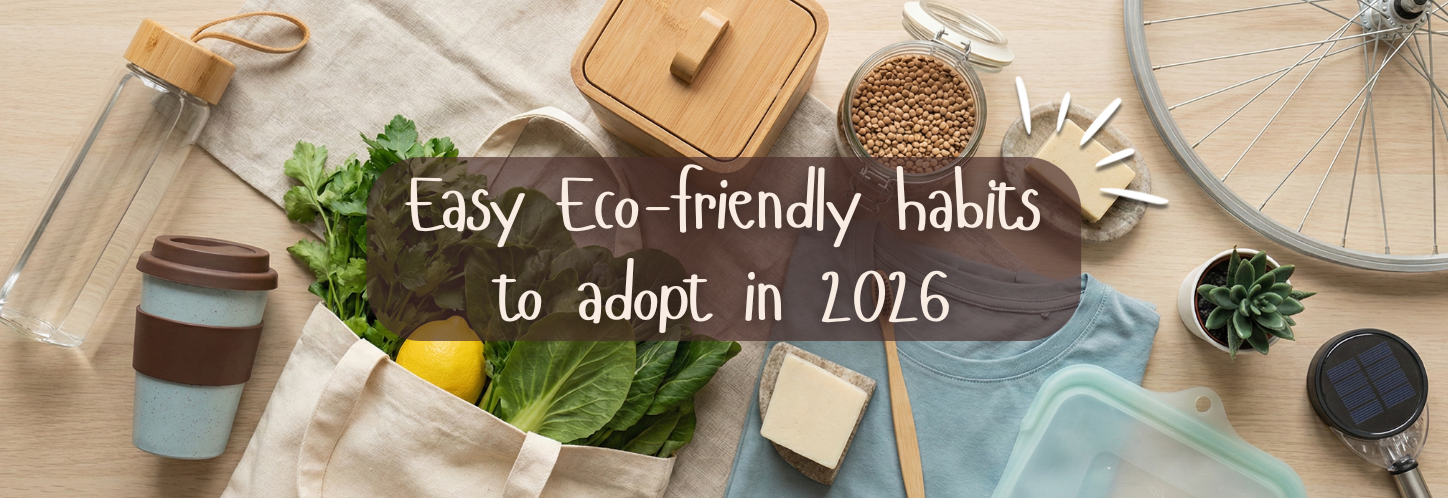
Climate action isn’t only about large-scale policies and innovations; it also depends on everyday behaviour. This post focuses on simple, practical sustainability habits you can adopt in 2026, actions that are consistent, easy to repeat, and realistic for daily life.
These individual actions may seem small, but research shows that repeated sustainable habits lower household carbon footprints and influence social norms around consumption. The goal here isn’t to be “perfectly sustainable,” but to build steady momentum. Start with a single habit, establish it, and gradually add more.
Source: Unlocking global carbon reduction potential by embracing low-carbon lifestyles
2026 will continue to see wider availability of eco-friendly products, better waste-management infrastructure in cities, and stronger policy pushes toward decarbonization. However, technologies and policies only create meaningful change when people actually use them. That’s where habits matter.
Consistent consumer behaviour sends clear market signals, reduced demand for disposable products encourages companies to redesign packaging, expand recycling systems, and invest in sustainable materials. In other words, your daily choices contribute to the shift toward a low-carbon economy. Starting to build these habits now means participating actively in that transition rather than waiting for change to arrive.
Read more on how to decarbonize india: India’s urban infrastructure for a low-carbon future | World Economic Forum
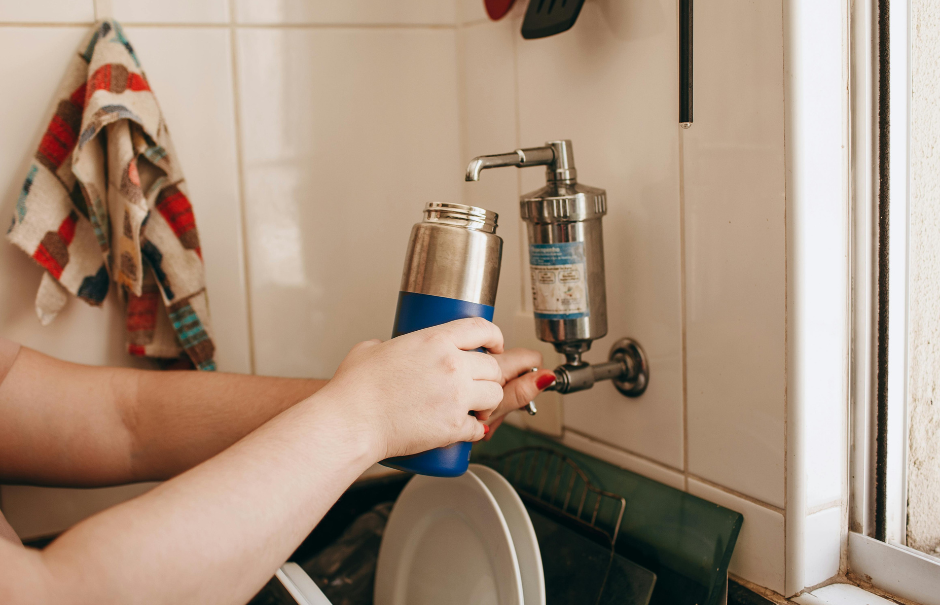
Why: Single-use bottles and takeaway cups are huge waste streams.
How: Keep a compact bottle in your bag and a collapsible mug at work. Set a reminder on day 1 to pack them; by day 14 it’s muscle memory.
Quick tip: Use double-walled bottles for hot/cold and avoid plastic liners.
Why: Food waste is both wasted money and wasted emissions. Composting returns nutrients to soil.
How: Plan 3–4 meals/week, freeze leftovers, and start a small home compost (or use community compost drop-offs).
Quick tip: Chop veggies in batch and freeze — fewer “what’s for dinner” waste moments.
Why: Extending product life reduces embodied carbon.
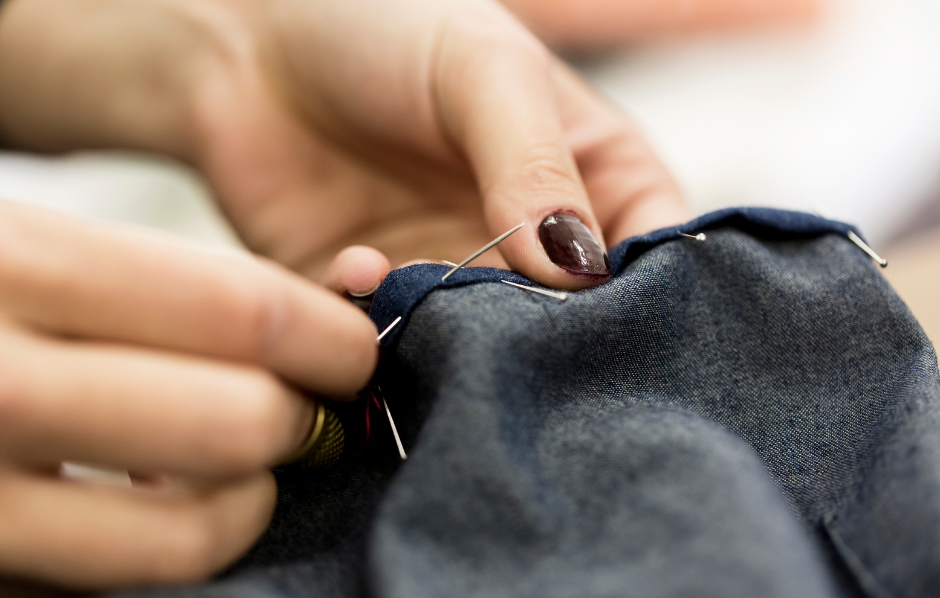
How: Before buying, check thrift apps, local swaps, or mending cafes. Learn two basic repairs (button sew, hem).
Quick tip: A small sewing kit in your drawer saves dozens of garments.
Why: Tiny energy drains add up like chargers, idle electronics.
How: Switch to LEDs, use smart power strips, and adopt a habit: “unplug at night.”
Quick tip: Use a single surge strip for entertainment systems; flip it when not in use.
Why: Short trips by car are a major emissions source.
How: Replace trips under 3 km with walking or biking. Try a 30-day challenge: one car-free day per week.
Quick tip: Pack a foldable tote and shoes to make spontaneous walks easier.

Why: Fast fashion is resource- and pollution-intensive.
How: Build a small, mix-and-match capsule of high-use pieces. Buy quality for items you wear often.
Quick tip: Keep a “wish list” for 30 days; many impulse buys fade after a month.
Why: Toiletry packaging and microbeads add plastic and pollution.
How: Try solid bars, refill pouches, or local refill stations for shampoo/soap.
Quick tip: Store bars on a draining soap dish to make them last longer.

Why: Disposable packaging multiplies at takeout and markets.
How: Carry a small container and cutlery set for leftovers or street food. Ask vendors politely for \"no plastic.\"
Quick tip: Keep a dedicated pouch in your bag so you don't forget it.
Why: Local, seasonal produce often has lower transport footprint and fresher nutrients.
How: Learn one seasonal vegetable per month and build meals around it. Try farmers’ market once a month.
Quick tip: Freeze or can surplus seasonal produce to enjoy it all year.
Why: Animal agriculture often has higher land and water use per calorie.
How: Start with Meatless Mondays or swap one meal per day to plant-based. Small shifts are sustainable long-term.
Quick tip: Use legumes and grains to create hearty, satisfying meals, not just salads.

Why: E-waste is growing fast and contains toxic materials.
How: Prioritize brands with repair policies or buy certified refurbished. Keep devices for +2 years longer by replacing batteries/screens.
Quick tip: Back up files and do a fresh install instead of replacing a slow laptop.
Why: Consumer demand shapes markets; civic engagement shapes policy.
How: Subscribe to one sustainable brand, support local circular initiatives, and use your social platforms to amplify eco actions.
Quick tip: Small monthly donations to credible environmental orgs add up and keep you committed.
Note: Pick 1–3 habits from this list that align with your life (commute, kitchen, clothes). Start there. Consistency matters more than intensity.
Sustainability isn’t a checklist you finish, it’s a set of small choices that become the background of your life. Habits are contagious. One friend’s reusable cup can start a café-table ripple. Start with curiosity, not perfection. In the new year, your best climate action might begin with a single, intentional swap.
Still confused about how to shop for the right products? Checkout our guide: The Ultimate Guide to Eco-Friendly Shopping | Ecoyaan
7 mins • 2026-06-02

5 mins • 2026-05-20

6 mins • 2026-04-18

6 mins • 2026-03-31

5 mins • 2026-01-23

4 mins • 2025-12-18
0
0
Copy Link
to write a comment.