Search for 'Coir Brushes'


4 mins
2025-11-16
0
0
Copy Link
Chamomile tea as it is often called "nature's gentle sedative" has been used for over 2,000 years as a calming remedy for mind and body. It has always been part of gentle, natural self-care rituals, just like aromatherapy practices that use earth-derived scents to calm the mind.
Made from the dried flowers of Matricaria chamomilla (German chamomile) or Chamaemelum nobile (Roman chamomile), this golden herbal infusion is far more than just a bedtime beverage.
Modern research backs what ancient healers already knew: chamomile helps ease anxiety, improve sleep quality, and support overall wellness — one cup at a time.
(And yes, it's totally okay to call it your "mug-nificent" nightly ritual.)
Chamomile belongs to the daisy family (Asteraceae), native to Europe and Western Asia. It's been referenced in ancient Egyptian, Greek, and Roman texts as a cure for fevers and stress.
Today, chamomile tea is one of the most widely consumed herbal teas globally with an estimated one million cups brewed every day worldwide.
What makes it unique is apigenin, a natural antioxidant that binds to specific brain receptors, promoting relaxation and mild sedation.
( Source: National Library of Medicine – Apigenin in Chamomile Tea, 2019)
Chamomile tea stands apart from traditional teas like green or black tea in a few key ways:
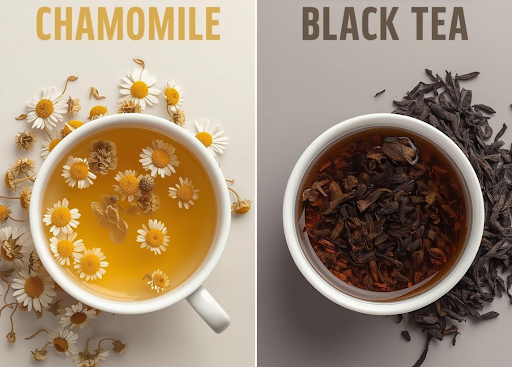
A 2016 study in the Journal of Advanced Nursing found that postpartum women who drank chamomile tea daily for 2 weeks reported 38% better sleep quality and lower fatigue levels than non-tea drinkers.
The compound apigenin attaches to GABA receptors in the brain which is the same calming system targeted by anti-anxiety drugs, but naturally.
In a randomized controlled (GAD) trial (2016, Phytomedicine Journal), patients with generalized anxiety disorder (GAD) experienced a 50% reduction in anxiety symptoms after 8 weeks of chamomile extract intake.
Regular consumption helps lower cortisol (the stress hormone) levels.
Chamomile has mild antispasmodic and carminative properties, helping relax the stomach muscles and reduce bloating or cramps.
According to Frontiers in Pharmacology (2020), it can help manage symptoms of irritable bowel syndrome (IBS) and acid reflux by reducing gut inflammation.
Chamomile's antioxidant and anti-inflammatory properties help repair oxidative damage and promote collagen production.
Topical use or drinking the tea can support clearer skin and shinier hair. A 2018 study showed 24% improvement in skin hydration after consistent use of chamomile extract.
A small-scale clinical study by the American Chemical Society (ACS) found that people who drank 5 cups of chamomile tea daily for 2 weeks showed significantly increased levels of hippurate, a marker of immune-boosting phenolics.
Research in Nutrition Journal (2015) observed that drinking chamomile tea 3 times a day after meals reduced HbA1c and insulin levels in type 2 diabetic patients over 8 weeks — thanks to its anti-inflammatory flavonoids.
Chamomile tea can act as a natural relaxant for menstrual cramps. A Complementary Therapies in Clinical Practice (2010) study found that women who consumed chamomile tea for 1 month reported 36% reduction in menstrual pain severity and less anxiety during their periods.
Making the perfect cup of chamomile tea is simple, but a few mindful steps can enhance both its flavor and health benefits:
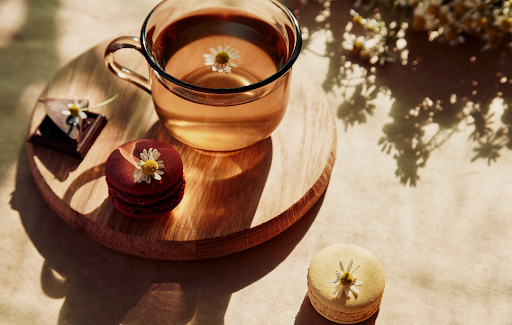
☕ Tip: Avoid over-steeping as beyond 7 minutes, the tea may turn slightly bitter and lose its floral balance.
For most people, 1–2 cups of chamomile tea per day is ideal to enjoy its benefits without overconsumption. The timing, however, can make a big difference in how effective it feels.
🕰️ Best times to sip:
Chamomile's natural sedative compound apigenin binds to brain receptors that promote relaxation. Drinking it shortly before bed helps your body wind down, eases insomnia, and encourages a more restful night's sleep.
A warm cup after lunch or dinner can help reduce bloating, acidity, and discomfort. Chamomile relaxes intestinal muscles and supports the digestive process, making it especially useful after heavy or spicy meals.
When work or studies feel overwhelming, chamomile's mild anxiolytic (anti-anxiety) properties help calm the nervous system. It gently lowers cortisol levels and clears mental fog, keeping you centered without making you drowsy.
🕯️ In a 2022 wellness survey, 68% of herbal tea drinkers said chamomile was their go-to beverage for winding down after work.
Curious to try it yourself? Our recommended pick: Natural Chamomile Tea
Chamomile is generally safe for most people, but a few cautions apply:
Chamomile tea isn't just another wellness trend, it's a centuries-old comfort in a cup.
Whether you're trying to sleep better, ease anxiety, or simply slow down after a long day, this herbal infusion reminds you that healing doesn't have to be hard. Sometimes, it's as simple as steep, sip, and smile.

7 mins • 2026-06-02

5 mins • 2026-05-20

6 mins • 2026-04-18

6 mins • 2026-03-31

5 mins • 2026-01-23

5 mins • 2026-01-21
0
0
Copy Link
to write a comment.