Search for 'Coir Brushes'

4 mins
2025-03-25
0
0
Copy Link
Picture this: You’re on a flight, watching the air hostess hand out plastic water bottles. Your first thought? What happens to all that waste? If that sounds familiar, you might be feeling eco-anxiety. You’re not alone—climate worries are real and growing. Ever feel a pang of dread scrolling past news of wildfires or melting ice caps? Let’s unpack eco-anxiety and explore how to manage it.
Eco-anxiety is the gnawing fear tied to environmental damage and climate change. Coined by experts, it’s described by the American Psychiatric Association (2017) as "a chronic fear of environmental doom." It’s not yet a formal diagnosis in the DSM-5, but mental health pros recognize its weight. From rising sea levels to extreme weather, the slow burn of climate change can spark persistent stress, helplessness, or even dread about the planet’s future.
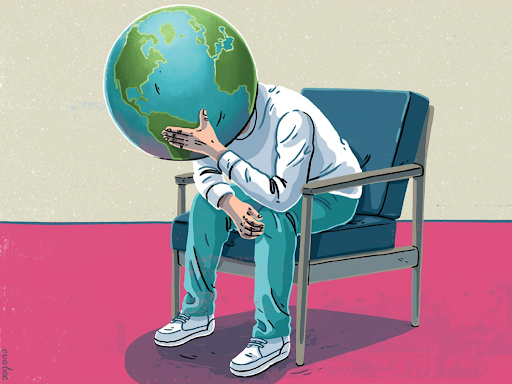
Despite being a widespread problem, not everyone is equally impacted by eco-anxiety. Some populations are more vulnerable to it. Here's a breakdown of who is more likely to be affected:
Due to direct exposure to the consequences of climate change, people who live in places that are vulnerable to extreme weather events—such as coastal regions, areas which commonly encounter wildfires, or areas that face droughts—are more likely to suffer from eco-anxiety.
Indigenous peoples often have deep cultural and spiritual connections to the land. Their traditional ways of life are in danger due to climate change, which makes them more anxious and grieving.
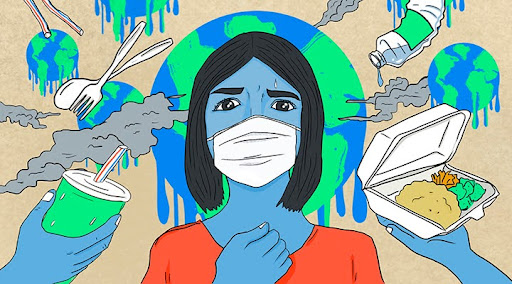
Individuals who depend on the natural environment for their livelihood, such as farmers and fishermen, are more vulnerable to eco-anxiety. People who have encountered wildfires, floods, or other climate-related calamities are far more prone to suffer from environmental anxiety, which can occasionally coexist with PTSD.
It's important to remember that eco-anxiety can affect anyone, regardless of age, background, or location. However, these groups tend to be at a higher risk of eco-anxiety.
While fixing climate change takes collective action—governments, corporations, society—there are ways to ease your eco-anxiety. Here’s how:
Small shifts to a sustainable mindset can lift your spirits. Calculate your carbon footprint (try online tools!) and tweak your life—ditch single-use plastics or cut energy waste. Living your values feels empowering.
Knowledge beats fear. Dig into reliable sources (think NASA Climate or IPCC reports) to understand climate realities. Being prepared—not misled by rumors—builds resilience against climate anxiety.
Progress is happening—renewable energy’s rising, activists are loud, and every step counts. Build eco-friendly coping skills: meditate, journal, or connect with others who care. Tiny actions ripple into bigger change.
Eco-anxiety reflects real challenges, but it’s not the whole story. People worldwide are fighting climate change, and results are emerging. By acting, learning, and leaning on community, we can tame climate fears and shape a greener future.
How do you handle eco-anxiety? Drop your thoughts below—let's navigate this together.
7 mins • 2026-06-02
5 mins • 2026-05-20

6 mins • 2026-04-18

6 mins • 2026-03-31

5 mins • 2026-01-23

5 mins • 2026-01-21
0
0
Copy Link
to write a comment.