The Ultimate Guide to Sustainable Tourism: Everything You Need to Know

By Sanjivani Pargal
4 mins
2025-02-25
0
0
Copy Link
The Ultimate Guide to Sustainable Tourism: Everything You Need to Know
We all search for the excitement of seeing other cultures, absorbing stunning scenery, and making lifelong memories. However, the enjoyment of travel shouldn't come at the price of the locations we value most. Sustainable tourism isn't just a trend; it's a responsibility. It's about reducing our impact on the environment, honoring local communities, and helping to keep our planet safe for coming generations. To help you become a more mindful traveller, this blog post delves deeply into practical advice and ideas. In short, sustainable travel is
“Travel that takes full account of its current and future economic, social and environmental impacts, addressing the needs of visitors, the industry, the environment, and host communities.” -UNWTO
The term sustainable travel refers to the adoption of sustainable practices with the aim of minimizing the negative impacts and maximizing the negative impacts positive effects of tourism. This blog post dives deep into actionable tips and insights to help you become a more conscious traveller.
Understanding Sustainable Travel:

When we talk about sustainable travel, it goes beyond simply "being green." It encompasses three core pillars, that are:
- Environmental Sustainability: Reducing your carbon footprint, conserving resources, and protecting ecosystems.
- Social Sustainability: Respecting local cultures, supporting local economies, and empowering communities.
- Economic Sustainability: Ensuring that tourism profits and benefits the destinations and doesn't exploit them.
Practical Tips for Sustainable Travel:
1. Mindful Destination Selection:
- Research: Don't just pick a pretty picture. Do your before trip research destinations committed to sustainable practices? Look for certifications like the Global Sustainable Tourism Council (GSTC) accreditation. One recognized worldwide guideline for sustainable tourism is the Global Sustainable Tourism Council (GSTC). Businesses and destinations with GSTC accreditation have proven their dedication to social, economic, and environmental sustainability. As a sign of ethical travel, look for these certificates. Look into the certificates that apply to your destination; there are additional regional and national certifications.
- Consider the Season: Traveling during the shoulder season (the periods between peak and off-season) can lessen the strain on local resources and offer a more authentic experience with fewer crowds. Peak season travel puts a significant strain on local resources, such as water, energy, and infrastructure. Shoulder season travel helps to distribute tourism more evenly throughout the year, reducing the pressure on these resources.
- Embrace Slow Travel: Instead of rushing to tick off destinations, consider spending more time in fewer places. This allows for deeper cultural immersion and reduces your travel footprint.
2. Reducing Your Environmental Impact:
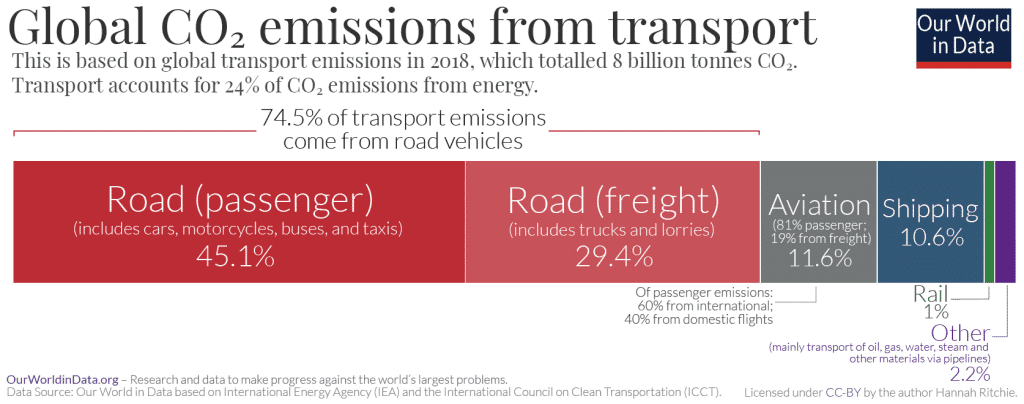
- Transportation: Opt for eco-friendly transportation whenever possible. Choose trains over planes for shorter distances. Within cities, utilize public transport, cycling, or walking. If renting a car, consider hybrid or electric options.
- Pack Light: Less baggage means less fuel consumption. Pack versatile clothing items that can be mixed and matched.
- Refuse Single-Use Plastics: Carry a reusable water bottle, coffee cup, cutlery set, and shopping bag. Say no to plastic straws and disposable packaging.
- Offset Your Carbon Footprint: Calculate the carbon emissions from your flights and other travel activities and invest in reputable carbon offsetting projects.
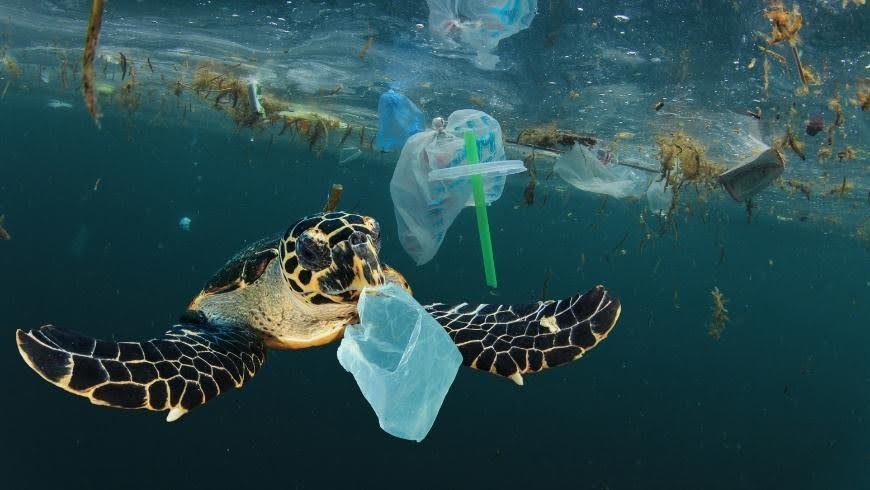
The plastic that ends up in oceans puts animals at risk (Photo via Canva Pro)
3. Supporting Local Communities:
- Shop Local: Support local businesses, artisans, and farmers markets. This directly benefits the community and helps preserve traditional crafts. Look for locally produced things, handcrafted items, and traditional crafts. In addition to giving craftsmen a living, this preserves old crafts and abilities. Seek markets, cooperatives, and workshops where you can purchase directly from the artists.
- Eat Local: Try local cuisine at family-run restaurants and avoid international chain restaurants. This supports local farmers and reduces the environmental impact of transporting food. Eating local food reduces the distance it travels, minimizing the carbon footprint associated with transportation. It also supports local farmers and sustainable agriculture practices.
- Avoid Exploitative Tourism: Be wary of attractions that exploit animals or people. Do your research and choose ethical alternatives. Look for ethical alternatives, such as wildlife sanctuaries that rescue and rehabilitate animals, or community-based tourism initiatives that benefit local communities.

Buying local products not only strengthens the local economy but also preserves the environment
4. Responsible Accommodation:
- Choose Eco-Friendly Hotels: Look for hotels with sustainable certifications and practices, such as energy efficiency, water conservation, and waste reduction programs.
- Support Locally Owned Guesthouses: These often have a smaller environmental impact and contribute more directly to the local economy.
5. Leave No Trace:
- Pack It In, Pack It Out: Take out all of your trash and dispose of it properly by packing it in and packing it out.
- Respect Wildlife: Keep a safe distance from animals and refrain from interfering with their natural habitat.
- Stay on Marked Trails: To preserve delicate ecosystems, stay on marked trails and refrain from straying from them.
Making a Difference:
Sustainable travel is a journey, not a destination. Every little action you take can have an impact. You can help preserve our world and guarantee that future generations can enjoy the wonders of travel by becoming a conscientious traveller. Thus, prepare your belongings, walk carefully, and travel the world with respect and purpose.
Related posts
7 mins • 2026-06-02
Climate Change in 2026: What the Data Says, What It Means for India, and What You Can Do

5 mins • 2026-05-20
Filling Up on the Future: What Biofuels Mean for India

6 mins • 2026-04-18
Sustainable Travel Tips: How to Explore the World Without Trashing It

6 mins • 2026-03-31
What Makes Women Stronger: 10 Everyday Swaps for a Better Body and Planet

5 mins • 2026-01-23
The Zero-Waste Bathroom: 5 Easy Swaps to Cut Plastic & Waste

5 mins • 2026-01-21
Top 12 Eco-Friendly Habits to Build in 2026
What do you think?
0
0
Copy Link
to write a comment.