What is Vegan Leather, Really? Unpacking the Eco-Friendly Alternative
By Sanjivani Pargal
4 mins
2025-02-15
0
0
Copy Link
What is Vegan Leather, Really? Unpacking the Eco-Friendly Alternative
Vegan leather has become a buzzword in the fashion and design industries, touted as a sustainable and ethical alternative to traditional leather. Vegan leather has transformed from a niche replacement to a sustainable mainstay and an important part of the greenwashing trend as sustainable fashion gains popularity.


But what exactly is vegan leather? Is it truly eco-friendly? And how does it compare to its animal-derived counterpart?
"Consumers are waking up to the power of their choices, and vegan leather is leading the way."
This article delves into the understanding of vegan leather, exploring its composition, environmental impact, and the nuances of this increasingly popular material.
Beyond the Animal:
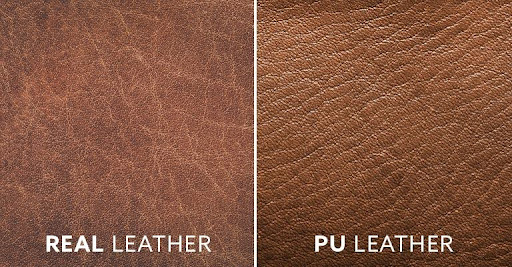
The most fundamental difference between vegan leather and traditional leather is its origin. The skin of cows is normally utilized to make animal leather, although it is additionally possible to make from the skins of pigs, sheep, snakes, horses, and other animals. In order to get a similar consistency to real leather, vegan leather, sometimes referred to as faux leather, uses synthetic materials or plant-based fibers such as pineapple leaves, cactus, cork, and apple peels.
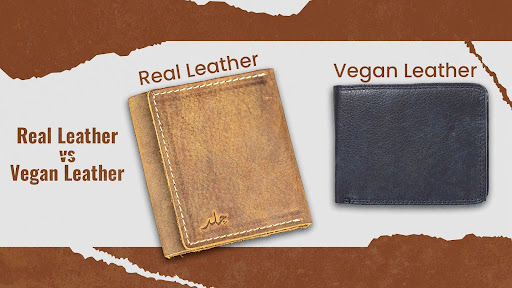
As the name implies, vegan leather is completely free of animal products. This gets rid of moral questions about animal welfare and the leather industry's frequently criticized methods. But the phrase "vegan leather" refers to a wide variety of materials, each with unique characteristics and effects on the environment.
The Many Faces of Vegan Leather:
Here are some of the most common types of vegan leather:
- Polyurethane (PU) Leather: Definitely the most popular kind of vegan leather is this one. The process of creating PU leather involves applying a layer of polyurethane to a basis of fabric, usually cotton or polyester. It is reasonably priced, has good water resistance, and can be made to resemble real leather in both appearance and feel. However, conventional PU manufacturing uses chemicals derived from petroleum and may include dangerous solvents.
- Polyvinyl Chloride (PVC) Leather: PVC leather was one of the earlier forms of vegan leather and is known for its durability and affordability. However, PVC production is environmentally problematic due to the release of toxic dioxins and the use of phthalates, which are potentially harmful plasticizers.
- Plant-Based Leathers: One fascinating and quickly developing subset of vegan leather is plant-based leathers. These substances come from a range of plant-based sources, such as:
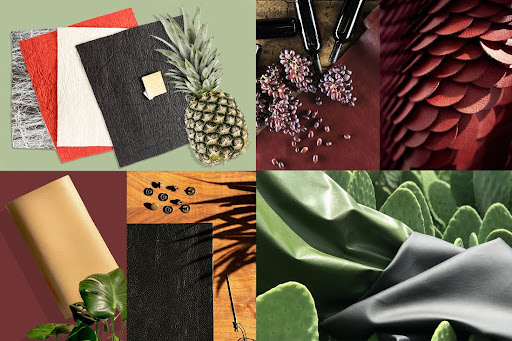
- Piñatex: A byproduct of pineapple cultivation, piñatex is made from the fibers of pineapple leaves.
- Apple Leather: Created from apple pomace, a waste product of the apple juice industry.
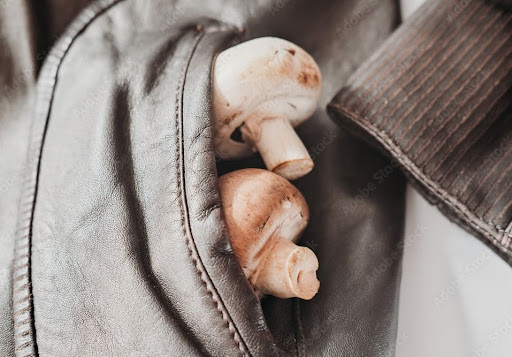
- Mushroom Leather (Mylo): Mylo, or mushroom leather, is made from the mycelium, which is the network of roots found in mushrooms.
- Cactus Leather: Made from the nopal cactus, which thrives in arid environments and needs little water.
- Cork Leather: Cork leather is a renewable and sustainable resource that is harvested from cork oak trees.
- Recycled Materials: Some vegan leathers are made from recycled materials, such as plastic bottles or industrial waste. This helps to divert waste from landfills and reduces the demand for virgin materials.
The Environmental Question:
Vegan leather has an extremely complicated environmental impact even though it avoids the moral dilemmas of animal leather. Conventional PU and PVC leathers may include hazardous compounds and are dependent on fossil fuels. However, more environmentally friendly solutions, such water-based PU coatings, are becoming accessible due to developments in PU manufacture.

Because they use renewable materials and frequently agricultural waste, plant-based leathers provide an environmentally friendly alternative. Nevertheless, a number of factors, including farming practices, processing techniques, and product disposal at the end of its useful life, continue to influence the environmental impact of these materials.
What Are the Advantages of Vegan Leather?
The following are some advantages of vegan leather:
- Quick, simple, and inexpensive to make.
- Able to be produced with a variety of sustainable resources.
- Extremely adaptable and offered in a variety of textures and finishes.
- Produced in an ethical manner that is kind to the environment and animals.
- Not quickly faded and resistant to stains.
- Not readily worn or cracked.
- UV light and water resistant.
- Contributed to the expansion of numerous eco-friendly fashion firms.
Comparing to Traditional Leather:
Traditional leather tanning methods, which involve harsh chemicals like chromium, can be harmful to the environment. The leather business as a whole has a big environmental impact, even if some tanneries are implementing more environmentally friendly procedures.
The Future of Vegan Leather:
The vegan leather market is always coming up with new ideas. Researchers are creating more environmentally friendly production techniques and investigating novel plant-based materials. Future vegan leather possibilities should be even more creative and sustainable as consumer demand for environmentally friendly substitutes increases.
Making Informed Choices:
When selecting vegan leather, it's essential to take note of the brand's sustainability commitment as well as the particular materials utilized, not just the "vegan" label. Seek out leathers derived from plants, recyclable materials, or PU leathers produced using environmentally responsible methods. Customers may encourage the creation of genuinely ethical and ecological substitutes for conventional leather by making educated decisions.
Related posts
7 mins • 2026-06-02
Climate Change in 2026: What the Data Says, What It Means for India, and What You Can Do
5 mins • 2026-05-20
Filling Up on the Future: What Biofuels Mean for India

6 mins • 2026-04-18
Sustainable Travel Tips: How to Explore the World Without Trashing It

6 mins • 2026-03-31
What Makes Women Stronger: 10 Everyday Swaps for a Better Body and Planet

5 mins • 2026-01-23
The Zero-Waste Bathroom: 5 Easy Swaps to Cut Plastic & Waste

5 mins • 2026-01-21
Top 12 Eco-Friendly Habits to Build in 2026
What do you think?
0
0
Copy Link
to write a comment.