Search for 'Coir Brushes'

4 mins
2025-02-15
0
0
Copy Link
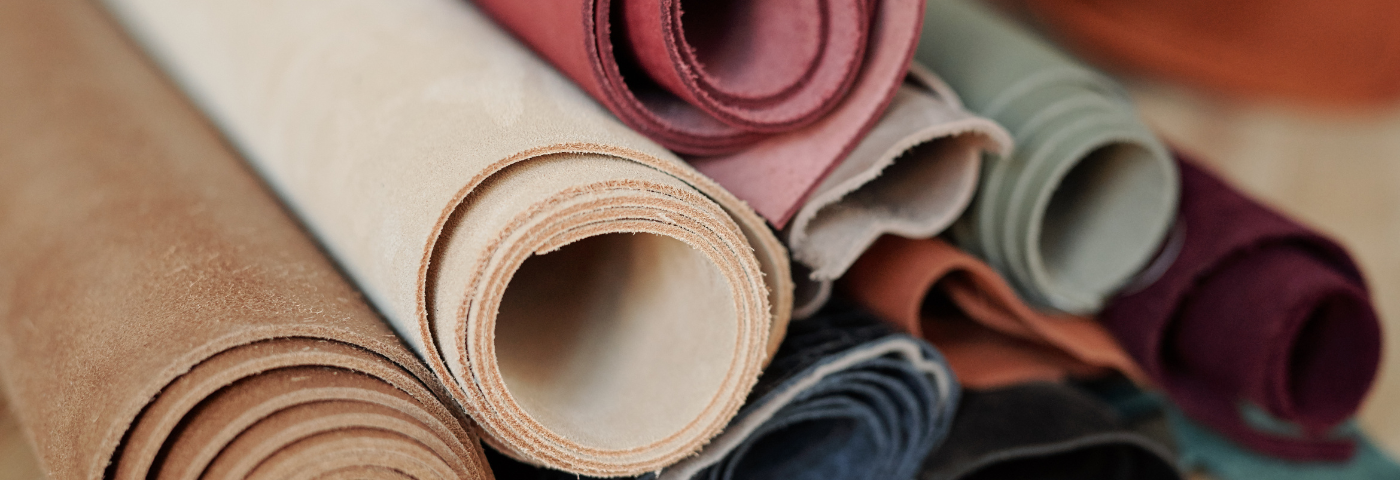
Vegan leather has become a buzzword in the fashion and design industries, touted as a sustainable and ethical alternative to traditional leather. Vegan leather has transformed from a niche replacement to a sustainable mainstay and an important part of the greenwashing trend as sustainable fashion gains popularity.
But what exactly is vegan leather? Is it truly eco-friendly? And how does it compare to its animal-derived counterpart?
"Consumers are waking up to the power of their choices, and vegan leather is leading the way."
This article delves into the understanding of vegan leather, exploring its composition, environmental impact, and the nuances of this increasingly popular material.
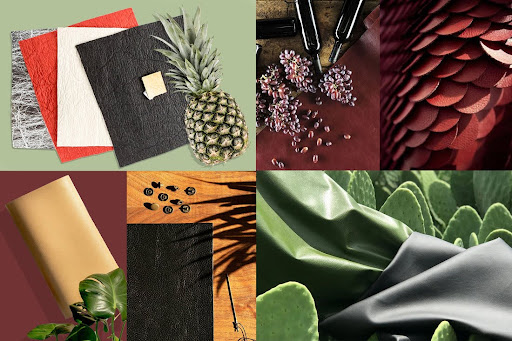
The most fundamental difference between vegan leather and traditional leather is its origin. The skin of cows is normally utilized to make animal leather, although it is additionally possible to make from the skins of pigs, sheep, snakes, horses, and other animals. In order to get a similar consistency to real leather, vegan leather, sometimes referred to as faux leather, uses synthetic materials or plant-based fibers such as pineapple leaves, cactus, cork, and apple peels.
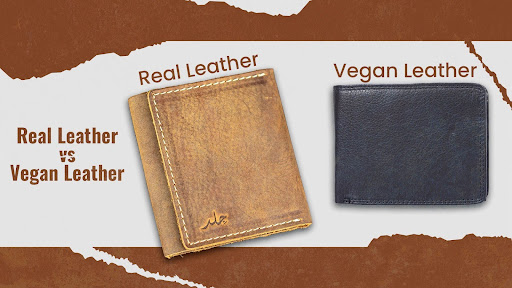
As the name implies, vegan leather is completely free of animal products. This gets rid of moral questions about animal welfare and the leather industry's frequently criticized methods. But the phrase "vegan leather" refers to a wide variety of materials, each with unique characteristics and effects on the environment.
Here are some of the most common types of vegan leather:
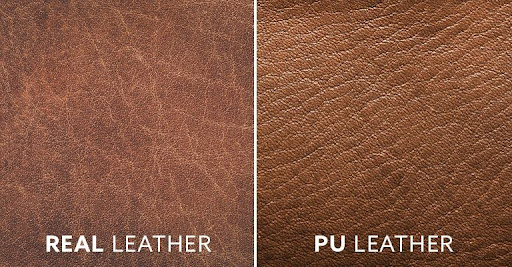
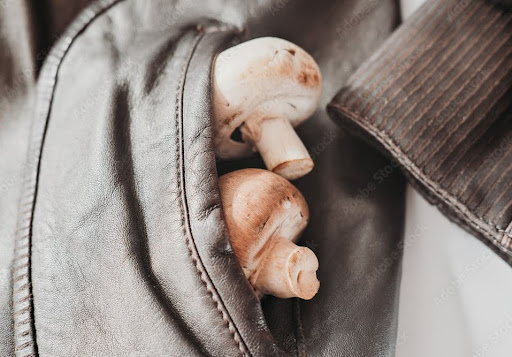
Vegan leather has an extremely complicated environmental impact even though it avoids the moral dilemmas of animal leather. Conventional PU and PVC leathers may include hazardous compounds and are dependent on fossil fuels. However, more environmentally friendly solutions, such water-based PU coatings, are becoming accessible due to developments in PU manufacture.
Because they use renewable materials and frequently agricultural waste, plant-based leathers provide an environmentally friendly alternative. Nevertheless, a number of factors, including farming practices, processing techniques, and product disposal at the end of its useful life, continue to influence the environmental impact of these materials.
The following are some advantages of vegan leather:
Traditional leather tanning methods, which involve harsh chemicals like chromium, can be harmful to the environment. The leather business as a whole has a big environmental impact, even if some tanneries are implementing more environmentally friendly procedures.
The vegan leather market is always coming up with new ideas. Researchers are creating more environmentally friendly production techniques and investigating novel plant-based materials. Future vegan leather possibilities should be even more creative and sustainable as consumer demand for environmentally friendly substitutes increases.
When selecting vegan leather, it's essential to take note of the brand's sustainability commitment as well as the particular materials utilized, not just the "vegan" label. Seek out leathers derived from plants, recyclable materials, or PU leathers produced using environmentally responsible methods. Customers may encourage the creation of genuinely ethical and ecological substitutes for conventional leather by making educated decisions.
7 mins • 2026-06-02

5 mins • 2026-05-20

6 mins • 2026-04-18

6 mins • 2026-03-31

5 mins • 2026-01-23

5 mins • 2026-01-21
0
0
Copy Link
to write a comment.


-B.?state=%257B%2522blogs%2522%253A%257B%2522id%2522%253A1%252C%2522image_path_list%2522%253A%2522%252Fimages%252Fblogs-img%252Fblog1%252Fblog1-cover.webp%2522%252C%2522image_path%2522%253A%2522%252Fimages%252Fblogs-img%252Fblog1%252Fblog1-Detail.webp%2522%252C%2522read_time%2522%253A%25223%2520mins%2522%252C%2522posted_on%2522%253A%25222024-08-15%2522%252C%2522name%2522%253A%2522There%2520is%2520no%2520plan%28et%29%2520B.%2522%252C%2522author%2522%253A%2522Praful%2520Jain%2522%252C%2522description%2522%253A%2522%25E2%2580%259CEco%25E2%2580%259D%2520is%2520short%2520for%2520ecological%2520or%2520environmental%2520and%2520%25E2%2580%259CYaan%25E2%2580%259D%2520is%2520the%2520Sanskrit%2520word%2520for%2520journey.%2520Here%2520at%2520Ecoyaan%2522%257D%257D)