Sustainable Fashion: Weaving a Better Future, One Thread at a Time
By Sanjivani Pargal
4 mins
2025-02-15
0
0
Copy Link
Sustainable Fashion: Weaving a Better Future, One Thread at a Time
Fast fashion. We've all heard the term, and many of us have fallen prey to its allure – trendy clothes at rock-bottom prices. However, there is a terrible truth hidden behind the seemingly simple shopping excitement: the fashion industry's devastating impact on the environment and the people who live there.
The environmental impact of fast fashion is huge. The UN Environment Programme estimates that the sector consumes the second-most water and contributes roughly 10% of global carbon emissions, which is more than the total amount of maritime shipping and international travel put together. Sadly, customers often disregard the issues facing this business.
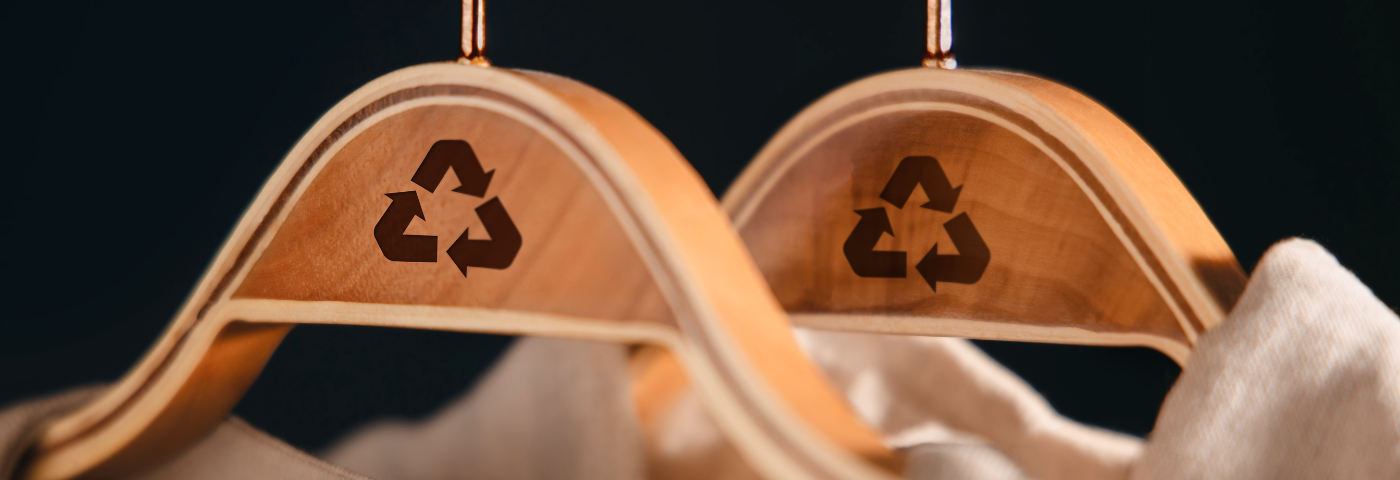
Fortunately, there is a rising movement for the adoption of sustainable fashion. Sustainable fashion is the technique by which companies design apparel that is mindful of the workers who make the items as well as the environment.
In simple terms, it is environmentally sustainable and ethically produced clothes. Sustainable fashion isn't just a fleeting trend; it's a conscious shift towards a more ethical and eco-friendly approach to clothing.
It's about asking questions: Where did this garment come from? Who made it? What impact did its production have on the environment? And most importantly, how can we make better choices?
The Price We Pay for Fast Fashion:
Let's first understand the issue before proceeding on to potential solutions. Disposability is the vital component of fast fashion. Clothing is made to be worn a few times before being thrown away, which contributes to the waste and overconsumption cycle. This has disastrous consequences:
- Environmental Damage: The apparel industry contributed extensively to water pollution, greenhouse gas emissions, and textile waste, making it a major polluter. The manufacture of synthetic textiles, such as polyester, is largely dependent on fossil fuels.
- Exploitation of Workers: Many garment workers, often in developing nations, endure inadequate wages, long hours, and adverse working conditions. One of the main forces for change is ethical considerations.
- Mountains of Waste: The magnitude of textile waste is getting worse. Discarded clothing accumulates up in landfills, and when it breaks down, dangerous chemicals are released.
Embracing Sustainable Practices:
We are capable of altering things, which is great news. A wardrobe that is more conscious and responsible can be attained through sustainable fashion. Here are several ways to contribute:
- Shop Secondhand: Thrift and vintage stores are veritable gold mines of one-of-a-kind clothing. Amazing items are available for a fraction of the cost, reusing clothing and cutting down on textile waste.
- Support Ethical Brands: Discover companies who place a high value on sustainable materials, ethical labor practices, and supply chain transparency. Investigate! Seek certifications such as GOTS (Global Organic Textile Standard) and Fair Trade.
- Invest in Quality over Quantity: Choose fewer, quality goods, longer-lasting clothes. Put an emphasis on timeless looks that outlive fads.
- Rent or Borrow Clothes: Rather than purchasing new clothing for special occasions, think about renting or borrowing clothing. This is a fantastic method to try out various looks without causing overindulgence.
- Care for Your Clothes: Your clothing is going to last longer if you take good care of it. Avoid over-drying, wash your garments in cool water, and learn some simple mending techniques.
- Upcycle and Repurpose: Use your creativity to your advantage! Make new things out of old clothing or use leftover fabric for future projects.
- Demand Transparency: We have the potential to affect the fashion business as customers. Inquire about the environmental and ethical policies of brands. Encourage businesses that are dedicated to sustainability.
- Synthetic Dye-Free and Petrochemical-Free Clothing: It can be quite challenging to choose clothes for babies and children, especially when there are worries about dangerous chemicals. Nowadays, a lot of parents are looking for solutions for their children that don't contain synthetic dyes or petrochemicals.

The Future of Fashion:
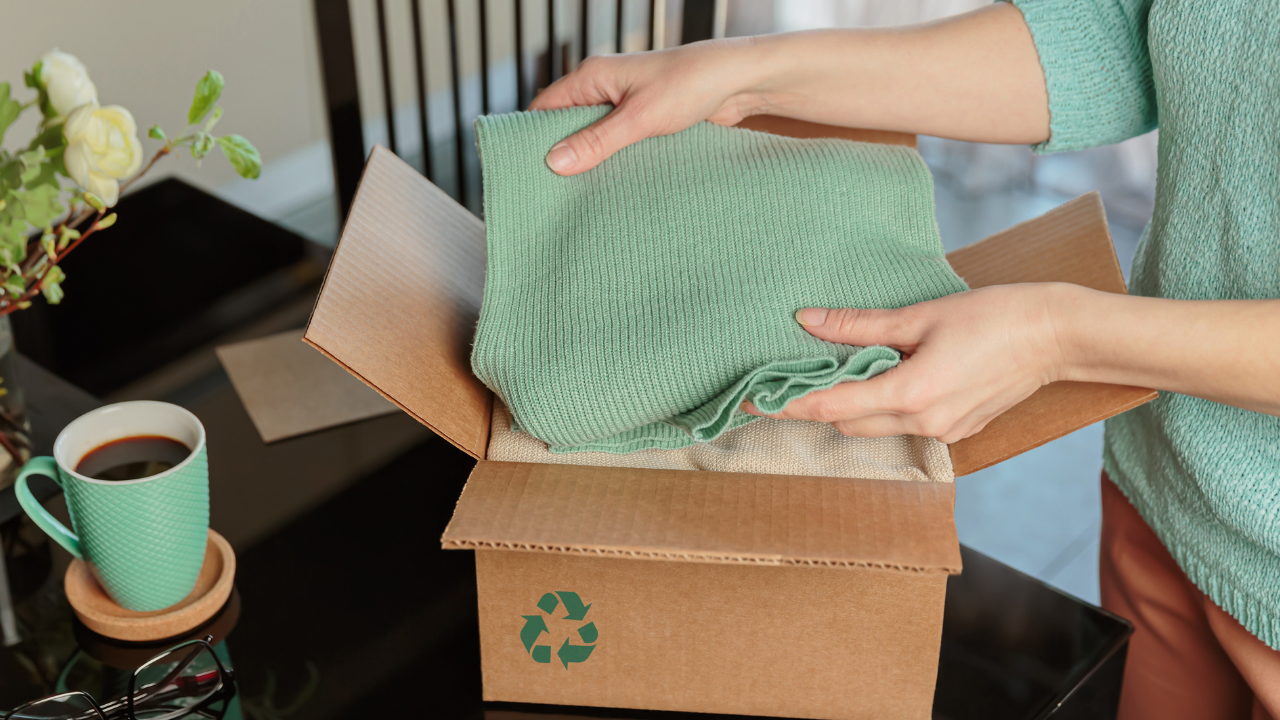
Sustainable fashion is the industry's future, not just an ongoing trend. Making thoughtful decisions can help us build a more just and environmentally conscious fashion industry. It's about appreciating craftsmanship, honouring the environment, and embracing uniqueness. Therefore, let's abandon the fast fashion mindset and adopt a more environmentally friendly style of clothing that will benefit both the environment and ourselves.
Every little step matters. One thread at a time, let's weave a better future.
What are your favourite sustainable fashion tips? Share them in the comments below!
Related posts
7 mins • 2026-06-02
Climate Change in 2026: What the Data Says, What It Means for India, and What You Can Do
5 mins • 2026-05-20
Filling Up on the Future: What Biofuels Mean for India

6 mins • 2026-04-18
Sustainable Travel Tips: How to Explore the World Without Trashing It

6 mins • 2026-03-31
What Makes Women Stronger: 10 Everyday Swaps for a Better Body and Planet

5 mins • 2026-01-23
The Zero-Waste Bathroom: 5 Easy Swaps to Cut Plastic & Waste

5 mins • 2026-01-21
Top 12 Eco-Friendly Habits to Build in 2026
What do you think?
0
0
Copy Link
to write a comment.