‘A Guide to Plastic-Free and Toxin-Free Parenting for New Moms’

By Sanjivani Pargal
5 mins
2025-01-25
0
0
Copy Link
‘8 Tips to Plastic-Free and Eco Friendly Parenting for New Mothers’
A comprehensive guide to learn 8 essential tips for toxin-free parenting. Way to a healthier environment for your baby while protecting your planet.
As a new mother, when you get to hold your baby in your arms, there comes a rush wave of love and protection that washes over you. It is very natural that you want to give your child the best of everything in life—healthy, happy, and free from harmful chemicals. But in today’s time, with so many products and choices on the market, it can feel extremely overwhelming to know where to begin and what is best for my child.
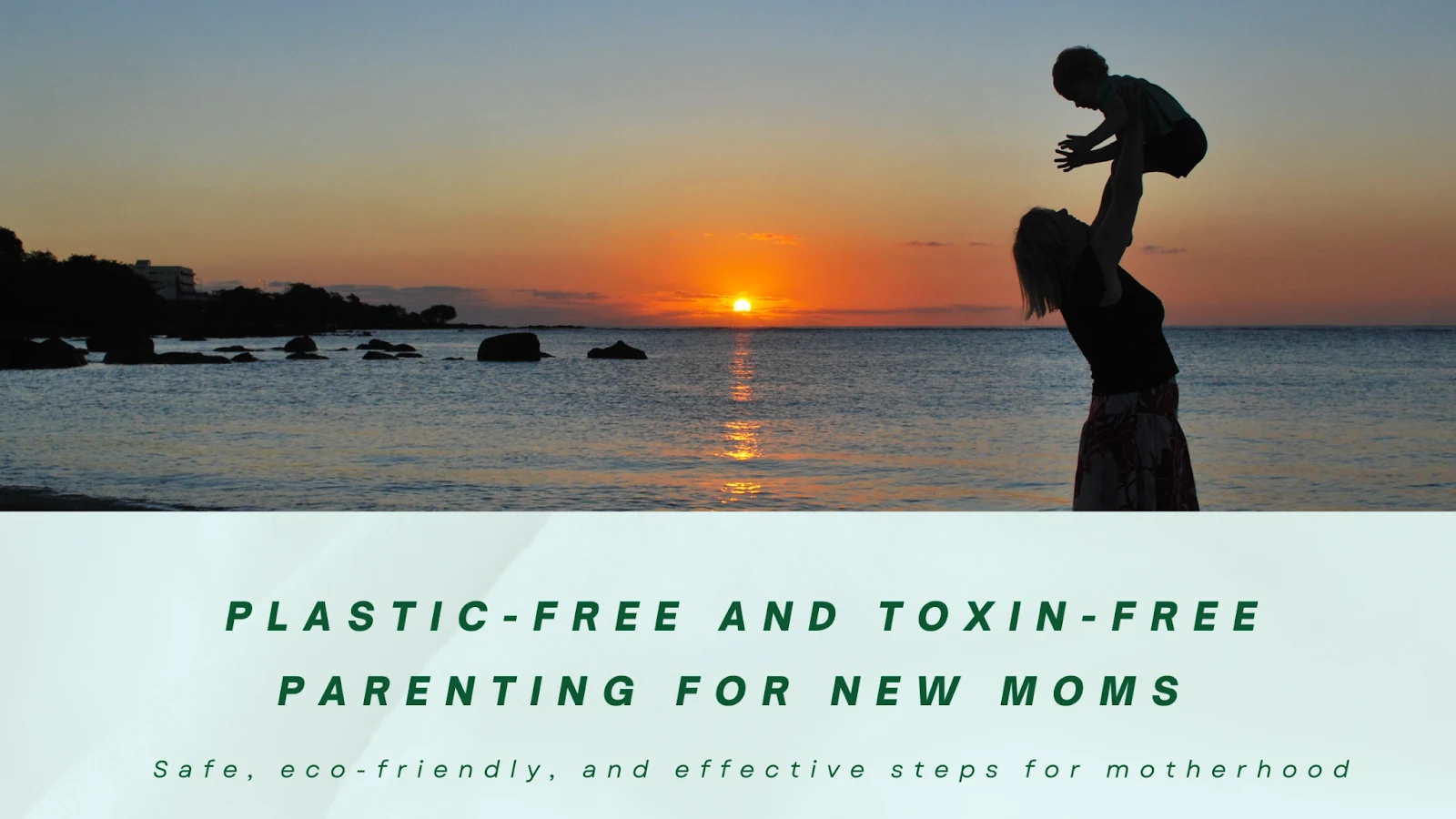
The good news is that it’s entirely possible to have a plastic-free and eco-friendly baby products approach to parenting which is extremely safe for your kids. Not only does this benefit your baby, but it also contributes to keeping our planet healthier.
This thorough guide will assist you in navigating plastic-free and toxin-free parenting if you're feeling inspired to begin this adventure.
Why Go Plastic-Free and Toxin-Free? Benefits of going plastic free:
Before we move to discuss into specific tips and practices that you can adopt as a parent, let’s understand what is the need to reduce the exposure to plastic and toxins:
- Health Concerns: BPA, phthalates, and PVC, besides other dangerous chemicals found in many plastics, have been found to be connected to concerns such as developmental disorders, hormonal imbalances, and long-term health problems in children.
- Environmental Impact:It can take a long time for plastics to decompose considering that they are not biodegradable. Reducing back on plastic consumption adds to conservation and pollution protection for wildlife.
- Sustainability:Adopting eco-friendly and toxin-free products in your usage enables sustainable production methods that are advantageous to the environment, wildlife, and coming generations.
Understanding these factors demonstrates how small and minor changes can have a significant impact on both your child's future and the world they will be in.
Let's explore some sustainable ways that you can adopt toward plastic-free and toxin-free parenting!
1. Choose Utensils of Glass and Stainless Steel Over Plastic
Feeding and storing your baby's food, the type of product you choose for utensils and containers can make a whole lot of difference in reducing the exposure to harmful chemicals. It has been found that Glass and stainless steel are two of the safest, most durable alternatives to plastic, providing a number of advantages beyond just being free of toxins.
The Baby Bottles and Containers
Choosing glass bottles over the plastics is one of the most effective ways to reduce plastic exposure. Glass bottles are reusable, easier to clean, and don't release any dangerous chemicals into your baby's milk.
Food Storage
Glass or stainless steel containers are ideal for storing snacks, food, or homemade purees. These alternatives are durable, long-lasting, and free from harmful chemicals.
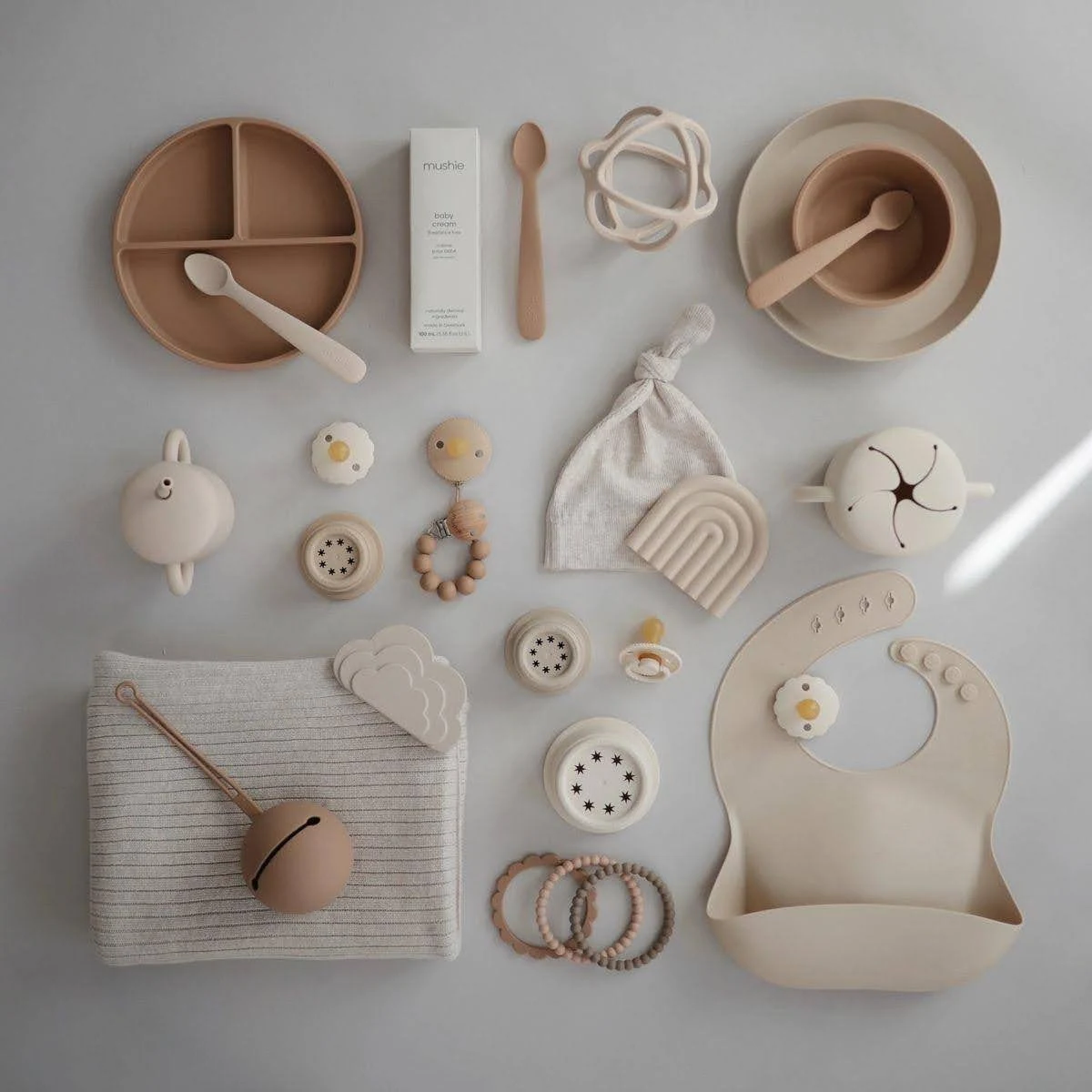
In this picture you see many wood toys, and sustainable utensils that you can incorporate in your baby's lifestyle
Teething Toys
Though your baby's teething is a normal developmental stage, teething toys are sometimes made of rubber or plastic that contains dangerous chemicals. Look for teethers that are made of food-safe materials, free of phthalates and BPA, and made of silicone, organic cotton, or wood.
2. Adopt for Cloth Diapers Over Disposable Ones
Disposable diapers are one of the main ways that plastic enters parenting. Millions of tons of disposable diapers are dumped in landfills each year, where they take hundreds of years to break down. Although they take more work to wash and maintain, cloth diapers are much kinder to the environment, reusable, and chemical-free.
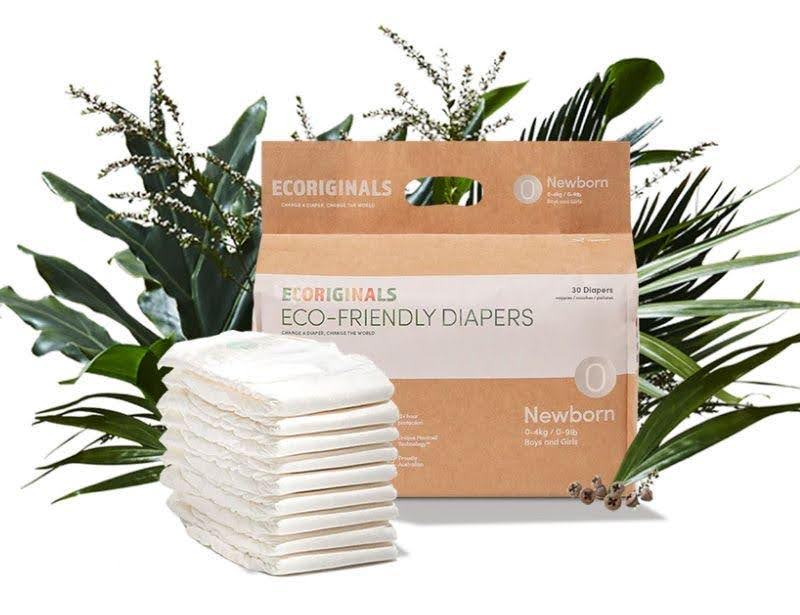
Pick cloth diapers that are made of bamboo or organic cotton because they are less harmful to the environment and are gentle to your baby's skin.
3. Choose Natural Skincare and Cleaning Products
Your baby's skin is very sensitive, and baby skincare products available in the market are loaded with harsh chemicals, fragrances, and preservatives that result in irritating or even harm delicate skin. Some common chemicals found in baby lotions, shampoos, and wipes include parabens , pthalates , sodium lauryl sulfate (SLS) , and synthetic fragrances.
Baby Skincare
Go for gentle, natural, and organic skincare options for your little ones. Look for brands that are free from synthetic fragrances, alcohols, or dyes. You can look for these Ingredients in the natural skincare products:
- Coconut oil- A natural moisturizer that’s safe for baby’s skin.
- Calendula- Have soothing and healing properties, and can help with rashes or irritation
- Chamomile- Has anti-inflammatory properties that help reduce redness and calm skin.
- Aloe vera- Plant-based ingredient is perfect for calming redness, providing hydration,
Toxin-Free Cleaning
When it comes to cleaning your home, it’s tempting to use powerful chemical cleaners. Unfortunately, a lot of these products contain very harmful ingredients that can cause skin irritation or even impair respiratory health. Your baby can safely and effectively use natural cleaning products made with substances like baking soda, vinegar, or essential oils
Popular non-toxic brands include:
Alternatively, You can make your own cleaning solutions using ingredients like lemon, vinegar, and water, which are effective and safe.
4. Avoid Plastics in Clothing and Bedding
Babies spend a lot of time in their clothing and bedding, so it’s important to avoid harmful chemicals like flame retardants, formaldehyde, and dyes often found in fast fashion.
Look for clothes made from organic cotton, bamboo, or wool. These materials are soft on the skin, free from harmful pesticides, and often produced sustainably. Additionally, choose bedding made from organic cotton or linen, and avoid synthetics, which can off-gas chemicals into the air.
5. Create a Non-Toxic Baby Room
Usually throughout the first few years of life, a baby will spend a lot of time in their nursery. To ensure that the baby room is a safe and toxin-free environment, start by:
- Selecting Non-Toxic Paint: A lot of paints contain volatile organic compounds (VOCs), which can release toxic vapors. To preserve clean air in the nursery, look for paints that are labeled as low-VOC or VOC-free.
- Choosing Natural Furnishings: Toxic formaldehyde emissions are less likely to be released by furniture constructed of solid wood or natural materials (as opposed to MDF or particleboard).
- Using Natural Fiber Rugs: Toxic chemicals can be released by synthetic carpets and rugs. For a safer alternative, pick rugs composed of jute, wool, or organic cotton.
6. Non-Toxic Diaper Creams and Wipes
Regularly, diapers need to be changed, and many mothers use lotions and wipes that contain alcohols, artificial perfumes, and preservatives without realising it. These substances may cause allergic reactions or harm your baby's delicate skin.
Choose diaper wipes and creams that don't include harsh preservatives, petroleum, or artificial smells. In fact, choose for products that contain natural plant-based components like aloe vera, shea butter, or zinc oxide (to reduce diaper rash). Because they don't include chemicals like chlorine bleach or artificial perfumes, natural wipes are also a fantastic choice. Pediatricians frequently suggest WaterWipes because they are a great choice for sensitive skin. Choose products with certifications like GOTS (Global Organic Textile Standard) , OEKO-TEX, and USDA Organic.
7. Use Wooden or Organic Toys
Majority of the toys are made from plastic that can break into tiny, hazardous pieces, go for wooden toys for your little ones. Wooden toys are durable and non-toxic. When looking for toys, always check for certifications like:
- BPA-free
- Phthalate-free
- Lead-free
8. Set an Example
Setting a good example is one of the finest methods to raise a child free of plastic and toxins. The more sustainable and thoughtful decisions you make, the more your infant will naturally pick up these habits as they become older since they will imitate the behaviors they see.
Final Thoughts
As a new mother, embracing the switch to a plastic-and toxin-free lifestyle may feel overwhelming at first, but it doesn't have to be all or nothing. Your efforts to choose healthier, more sustainable solutions will have long-term advantages for the environment and your unborn child. Every little change matters.
Take your time, make informed decisions, and gradually swap out harmful products for natural, environmentally friendly ones. By doing this, you will make your child's home safer and healthier as well as the world they will inherit in the future.Want to explore products that can contribute to your Eco-Friendly and sustainable parenting then Ecoyaan can help you in the process.
Happy Sustainable parenting! Keep in mind that every decision, no matter how minor, has an impact! 🌱.
Related posts
7 mins • 2026-06-02
Climate Change in 2026: What the Data Says, What It Means for India, and What You Can Do
5 mins • 2026-05-20
Filling Up on the Future: What Biofuels Mean for India

6 mins • 2026-04-18
Sustainable Travel Tips: How to Explore the World Without Trashing It
6 mins • 2026-03-31
What Makes Women Stronger: 10 Everyday Swaps for a Better Body and Planet
5 mins • 2026-01-23
The Zero-Waste Bathroom: 5 Easy Swaps to Cut Plastic & Waste
5 mins • 2026-01-21
Top 12 Eco-Friendly Habits to Build in 2026
What do you think?
0
0
Copy Link
to write a comment.