Search for 'Coir Brushes'


5 mins
2024-12-26
0
0
Copy Link
As more producers and consumers become aware of the environmental challenges facing our society in the 21st century, there is a gradual push towards adopting more sustainable materials and techniques in all aspects of running a business, from materials to manufacturing to the supply chain. Unfortunately, without governmental oversight and regulations, sellers can easily exploit eco-conscious consumers through false advertising and misleading claims about sustainability. Lying to consumers about the eco-friendliness of a product is commonly known as greenwashing.
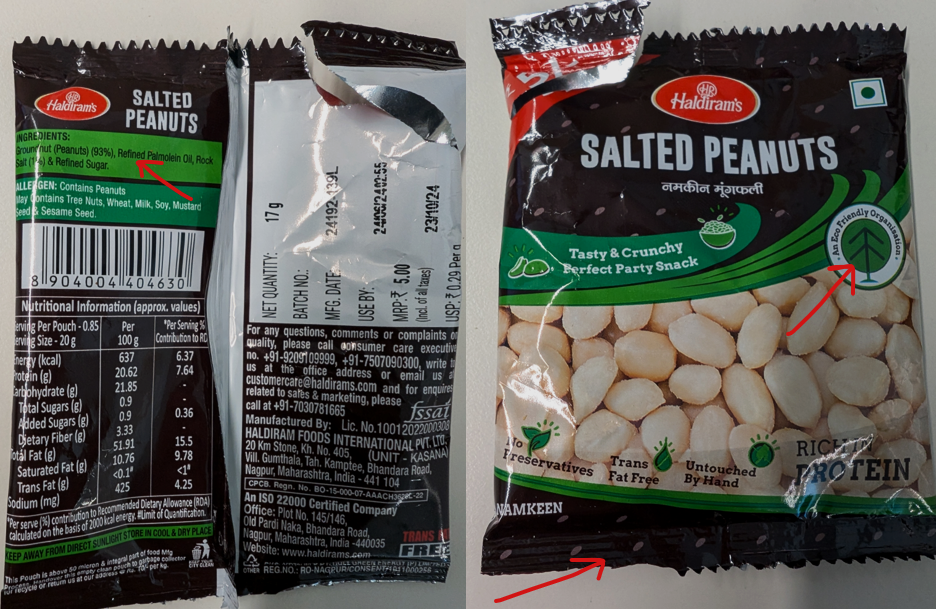
Image taken by author
Let me give you a simple example. Take the Haldiram’s packet of snacks in the image above. They are claiming to be ‘An Eco-friendly organisation’ while selling peanuts that were cooked in refined palm oil (likely sourced from Indonesia’s rainforests), in hard-to-recycle plastic wrappers. Don't get me wrong - for a cost-sensitive market like ours, it may not be feasible for Haldiram’s to use sustainably sourced oil or to use new sustainable packaging. I do not have a problem with them selling this snack. I have a problem with false marketing, which is targeting the eco-conscience of the buyer. That’s greenwashing.
Eco-friendly airlines... Clean diesel... Greenwashing is ubiquitous in our society today. Let me give you a few more sinister examples.
1. Arguably, one of the most famous examples of greenwashing is the Volkswagen dieselgate scandal that rocked the car giant in 2015. VW was accused and later admitted to having a ‘defeat device’ on 11 million cars globally. This device could detect when emissions testing was being done and lower the performance/emissions of the vehicle accordingly. Due to the lower emissions during testing, environmental protection agencies around the world celebrated VW’s TDI engine as a revolution in clean vehicles.
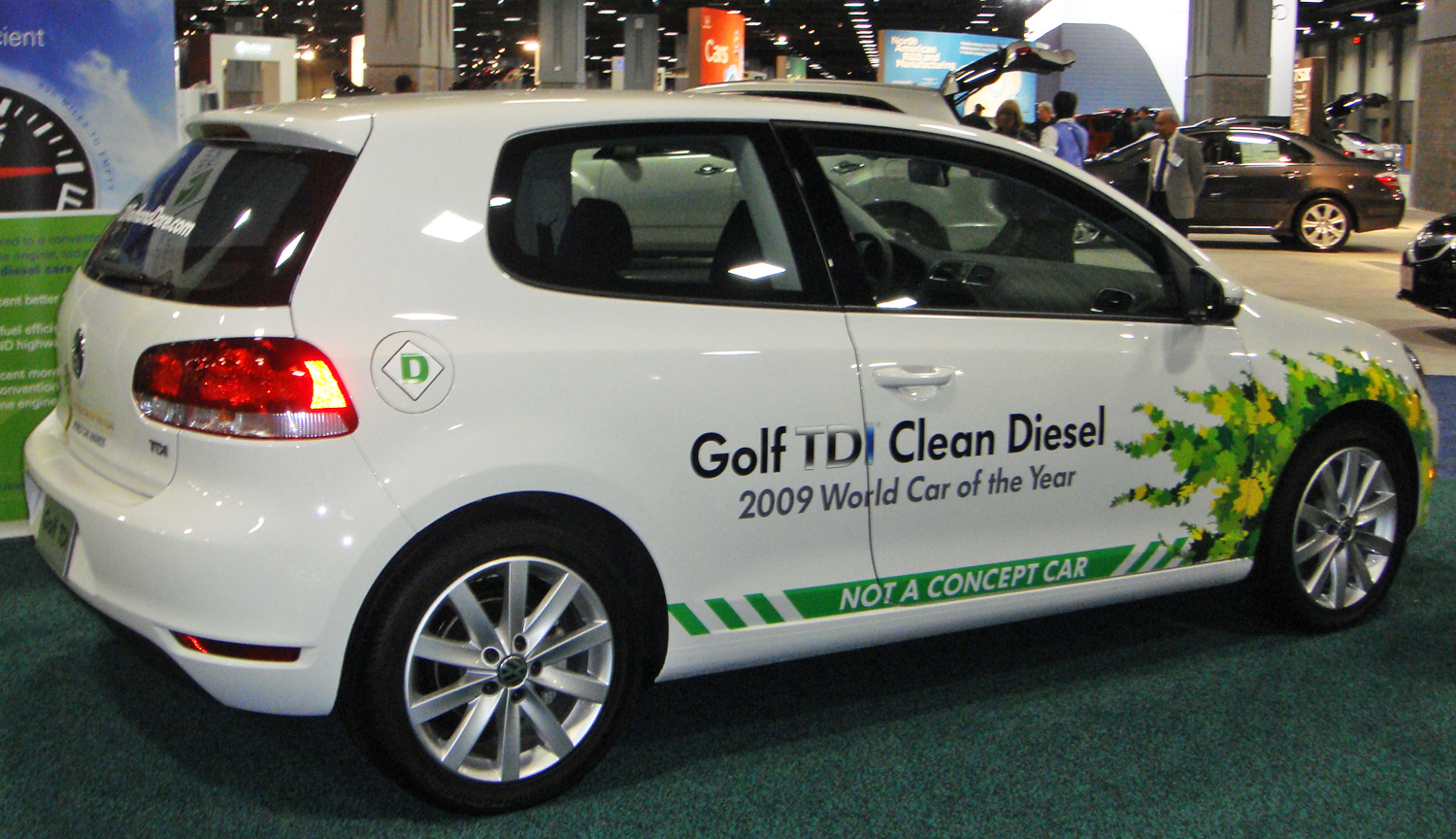
Image taken by author
2. Recycling is another form of greenwashing, albeit not as blatant as the VW example above. The idea of recycling was carefully curated by the fossil fuel industry, in the late 90s, so that they could keep producing and selling more plastic goods while shifting the blame of plastic pollution onto the consumer. Today, after decades of plastic recycling campaigns, less than 10% of plastic ends up getting recycled. 90% of all plastic ends up in landfills, or it is incinerated producing toxic gases or it is thrown in rivers and oceans.
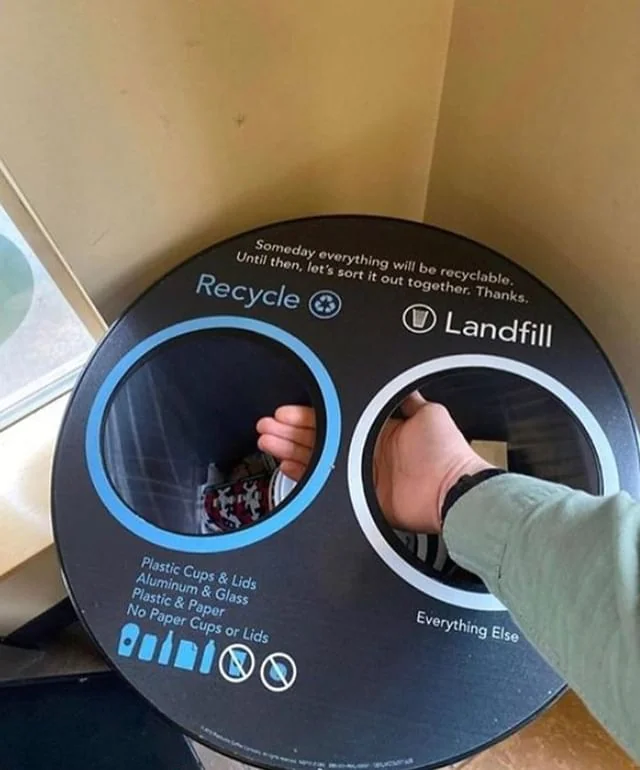
Image courtesy:Conscious Consumers @Reddit
3. Another example, at a global scale, is the idea that natural gas is somehow a ‘cleaner’ fuel than coal. Firstly, calling it ‘natural’ is a form of greenwashing in itself, as gas is no more ‘natural’ than other types of fossil fuels. In theory, burning gas releases 50% less CO2 than burning coal, which is why Western countries have rallied behind it across the last two decades. But in reality, because natural gas is nothing but methane = CH4, which has orders of magnitude more heat-trapping capability than CO2, even a small leak along its supply chain (during extraction or in the pipelines or at the destination) can quickly make natural gas worse for the environment than coal. Recent reports are pointing to exactly that. Some studies have even estimated that the climate impact of natural gas is twice as much as coal. It doesn't sound like a great transition fuel, as some politicians have claimed in the past.
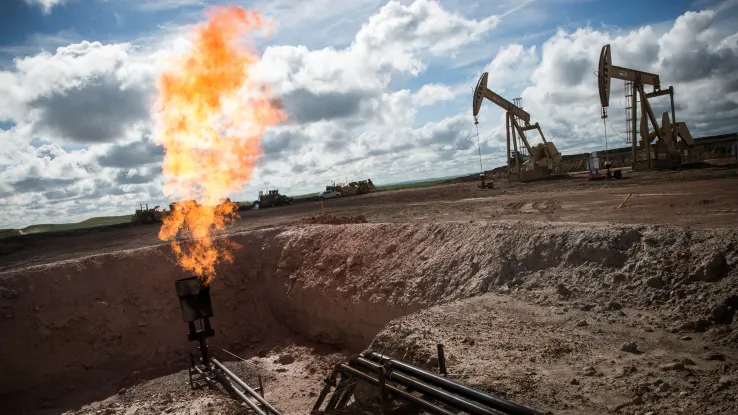
Image Source: Climate Coalition
Two factors can delay government intervention in issues like greenwashing.
1. Time lag: Governments are typically slow to react to shifting trends in a capitalistic market. Take the lack of regulation around Artificial Intelligence at the moment. It can take years or even decades for the government to understand and react to market practices that may harm society in the long term.
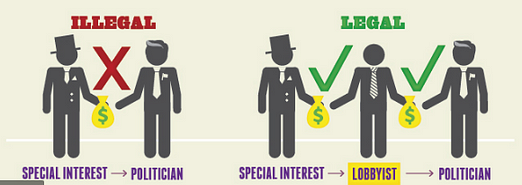
2. Lobbying/corruption: Lobbying/corruption: Large corporations have deep pockets to sponsor misleading scientific studies and bribe elected officials to block regulations. The tobacco industry bribed doctors and government officials to downplay the risks associated with smoking. Regulations around climate change and greenwashing have similarly been blocked by the fossil fuel industry, through bogus research studies and lobbying.
Source unknown
Thankfully, after years of rampant greenwashing, governments around the world have started to take this matter seriously. Last month, the Indian government passed new guidelines to limit greenwashing. According to the Mint, “Under new guidelines issued Tuesday (Oct 15, 2024), companies claiming environmental benefits in advertisements to promote their products or services must ensure that consumers receive accurate and transparent information”, said Consumer Affairs Secretary Nidhi Khare. It remains to be seen whether the government will be able to enforce these rules effectively. But it’s a step in the right direction.
According to the European Union, “On 22 March 2023, the European Commission put forward a proposal for a directive on green claims. The proposed directive would require companies to substantiate the voluntary green claims they make in business-to-consumer commercial practices, by complying with a number of requirements regarding their assessment (e.g. taking a life-cycle perspective).” The directive is currently in the negotiating phase, with the EU Council and the EU Parliament still needing to agree on the final content.
Greenwashing, by definition, is a way to fool consumers into buying more things. Buying fewer things is the number one thing you can do. When you have to buy something, you must scrutinise the environmental claims being made by the seller. In a capitalist economy, sellers are incentivised to make more money. Their bonuses are not determined by their ESG (Environment, Social and Governance) performance. That’s why we need consumer awareness and government regulations to prevent greenwashing. At Ecoyaan, we take this very seriously. That’s why we use advanced technology to vet brands before adding them to our marketplace.
Source: Ecoyaan.com
7 mins • 2026-06-02

5 mins • 2026-05-20

6 mins • 2026-04-18

6 mins • 2026-03-31

5 mins • 2026-01-23

5 mins • 2026-01-21
0
0
Copy Link
to write a comment.
