Search for 'Coir Brushes'

5 mins
2024-12-05
0
0
Copy Link
As promised, this is a follow-up to our previous article on India’s energy security. In the last article, we talked about India’s energy mix and how ‘Biofuels & waste’ is emerging as a crucial energy source in India’s net-zero plans. According to reporters at IEA, “India has quickly joined the ranks of major biofuel producer and consumer thanks to a set of coordinated policies, high-level political support, and an abundance of feedstocks. Over the next five years, it has the potential to nearly triple consumption and production by removing roadblocks to higher ethanol blends and diversifying biofuel use to replace diesel and jet fuel.” In today’s article, we will discuss the pros and cons of producing fuel using crops.
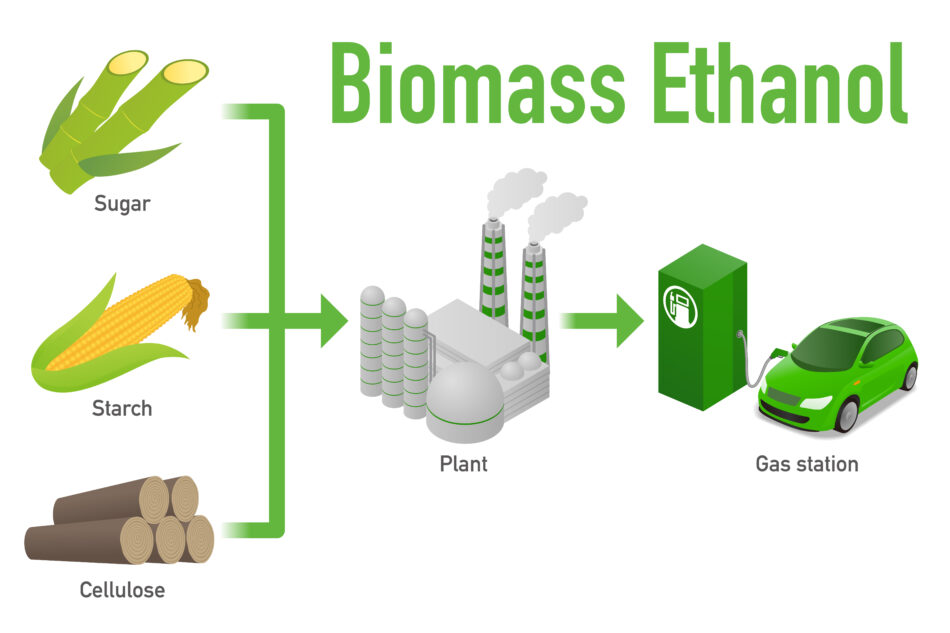
Source: © Chombosan / Shutterstock
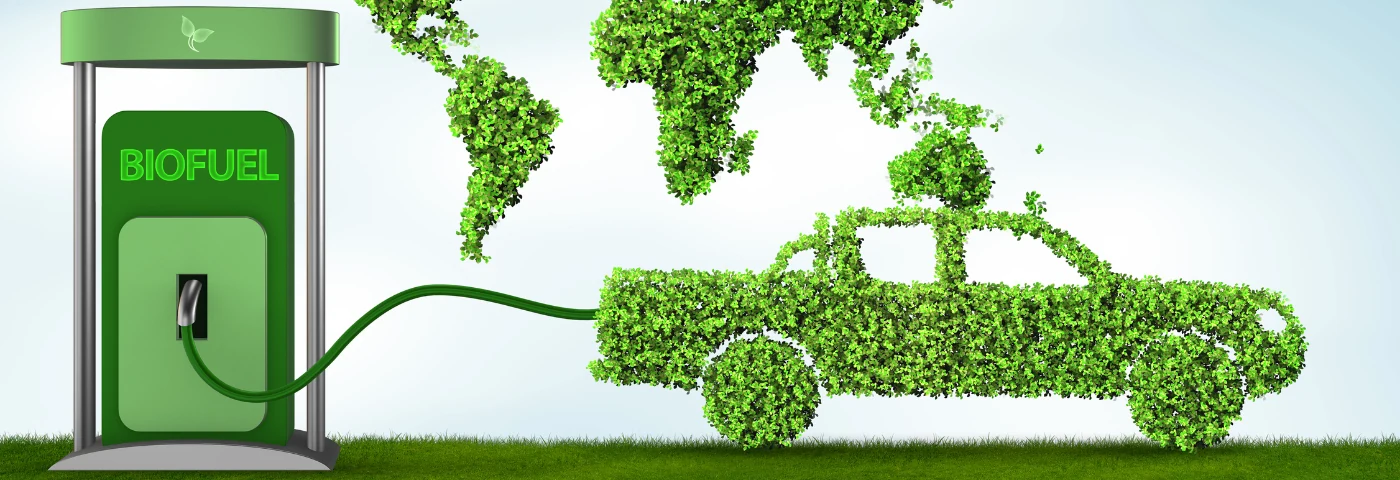
Biofuels are an emerging category of renewable energy created from organic matter, such as sugarcane, corn, soybeans, wood, landfill garbage, and animal waste. Biofuels are considered renewable because of the controversial assumption that we can grow crops on the same land for eternity. More on that later. Some examples of biofuels include ethanol, biodiesel, and so-called “renewable” natural gas.
There are many kinds of biofuels, depending on how the feedstock is produced.
1st Generation Biofuels (1GB): Derived from conventional starch-rich crops, like sugarcane, corn, and soybean. Most of the world’s biofuels are derived using 1GB today.
2nd Generation Biofuels (2GB): Derived from non-food sources, like bagasse, straw, and Used Cooking Oils (UCO). There are very few such facilities in India, but they are gaining traction.
3rd Generation Biofuels (3GB) and 4th Generation Biofuels (4GB): These are still in the early R&D phase. Algae-based biofuels have shown promising results in research labs and Europe has included them in their long-term policy for renewables.
Once we get to 2nd generation biofuels and beyond, many of the controversies associated with 1GB will go away. But that is still a long way off.
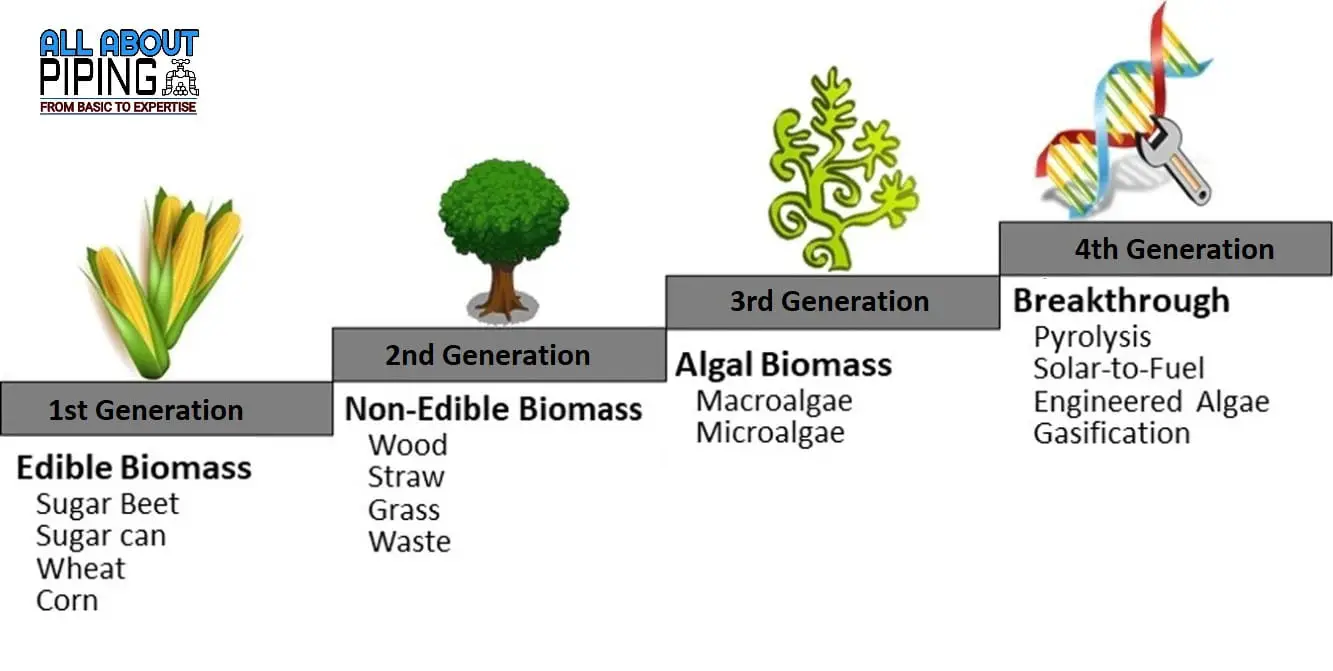
Source: All About Piping
One of the most alluring things about these biofuels is the fact that it is still a ‘fuel’. As the Wall Street Journal reports, “They (biofuels) require little new infrastructure; and they offer economic opportunities for developing nations that will incentivize them to participate in the global climate-mitigation effort. Unlike many other forms of green alternatives to oil, biofuels in some forms can be used in existing pipelines and storage tanks, existing trucks, ships and aeroplanes, and in some cases existing refineries.” Most new vehicles in India can run on ethanol-blended petrol. Next time you fill up your take, look out for ‘E20’ fuel at the pump; E = Ethanol and 20 = % of ethanol in the fuel.
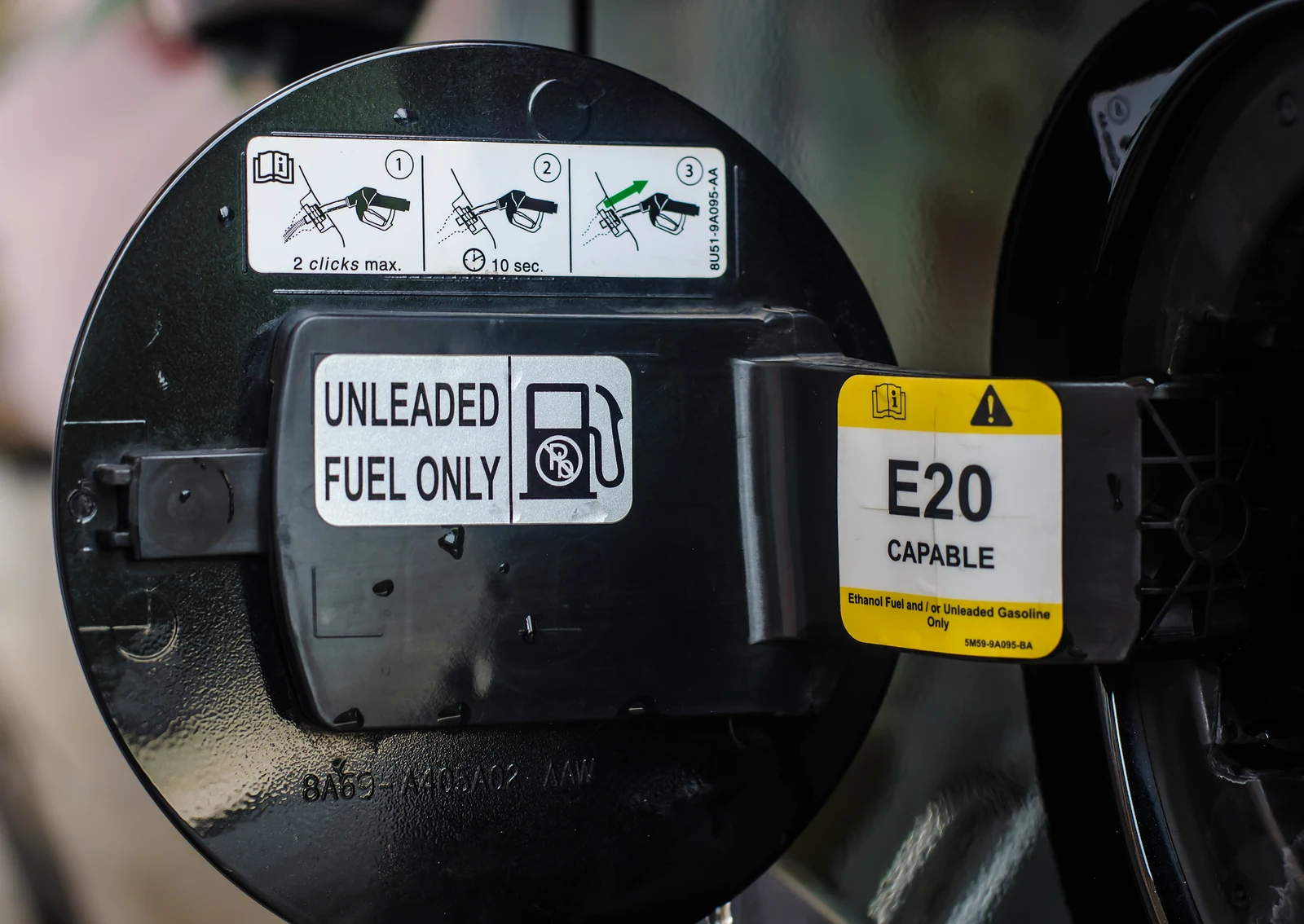
E20 is accepted by most new petrol cars being sold in India.
Secondly, when burned, pure biofuels generally produce fewer emissions of particulates, sulphur dioxide, and air toxics than their fossil-fuel-derived counterparts. Biofuel-petroleum blends also generally result in lower emissions relative to fuels that do not contain biofuels. Mind you though, burning biofuels still produces CO2 emissions - so, it is less clean than solar and wind.
Demand for biofuels can also increase farmers’ incomes. When crops are grown as fuel, farmers can drastically increase the yield by brute-force use of fertilisers and pesticides. Although this can lead to long-term soil health issues, it can result in higher profits in the short term. Lastly, once we have the infrastructure in place for 1GB fuels, transitioning to the more sustainable 2GB fuels made from crop residues and agricultural waste can pave the way to a net zero future for India.
India may not have oil and gas reserves but we do have some of the world’s most fertile lands. So, transitioning to biofuels can help in improving our energy sovereignty. That said, we also have the world’s largest population! Which means using crops as fuel or food will always be a controversial subject.
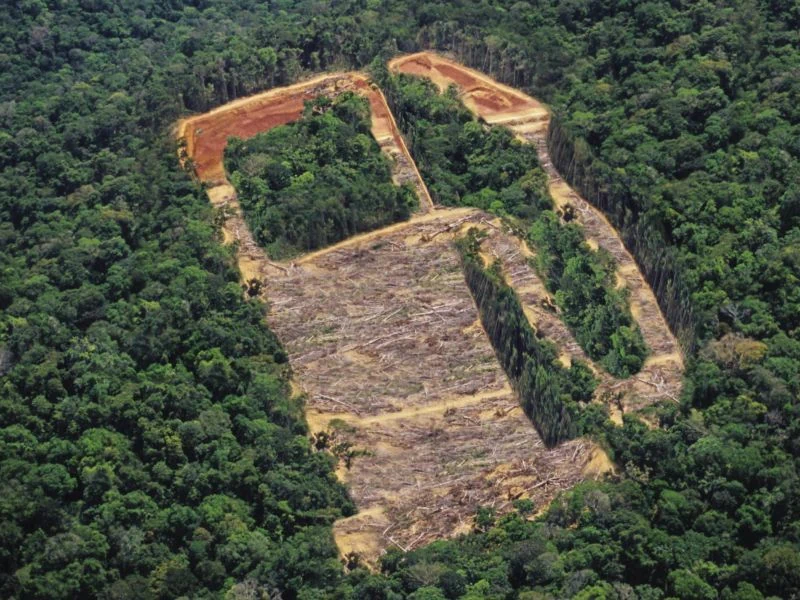
According to the EU, “While biofuels are important in helping the EU meet its greenhouse gas reduction targets, biofuel production typically occurs on cropland previously used for agriculture, to grow food or feed. Since this agricultural production is still necessary, biofuel production may lead to the extension of agricultural land into non-cropland, possibly including areas with high carbon stock, such as forests, wetlands and peatlands.” When it comes to carbon emissions, proponents of biofuels argue that the CO2 emissions from biofuel combustion should be excluded from GHG emission calculations because growing the feedstocks (like sugarcane) can offset the CO2 emitted during combustion. However, if a forest was destroyed in the process, such arguments are simply wrong.
This is exactly what happened in Brazil, which was one of the earliest adopters of biofuels. According to a report by DW, “Of all biodiesel, palm oil has the highest greenhouse gas emissions — three times the emissions of fossil diesel, because palm expansion drives deforestation and peatland drainage in Southeast Asia, Latin America and Africa.” In 2017, half of all palm oil used in Europe ended up in the tanks of cars and trucks.The consensus is clear on this topic - if growing biomass for biofuels causes deforestation, biofuels will have a higher carbon footprint than crude oil.
Source: Green.org
Let me briefly touch upon the ‘renewable’ aspect of biofuels. Biofuels are considered renewable due to the fallacy that agricultural lands will continue to produce crops until eternity. This is not true. Excessive use of fertilisers, pesticides and fungicides is jeopardising the long-term health of our nation’s soils. The increasing temperature over the next few decades will further stress the land. No one can say for sure, but the viability of growing food is debatable if we don’t start prioritising soil health. Unfortunately, as mentioned earlier, growing feedstock for biofuels (instead of food) may increase the use of chemicals on India’s fertile lands.
As per the National Biofuel Policy, announced by the Government of India in 2018 and 2019, emphasis is being laid on solving India’s energy crisis by focusing on Biofuels. Ethanol production has tripled over the last five years and is expected to further double in the next few years. Biodiesel production is expected to grow at an even faster rate. In 2023, “India launched the Global Biofuels Alliance with the leaders of Singapore, Bangladesh, Italy, the United States, Brazil, Argentina, Mauritius and the UAE on the sidelines of the G20 summit. As of January 2024, the GBA now has 22 member countries alongside 12 international organisations. The GBA aims to accelerate the deployment of sustainable biofuels”, reports Aastha Gupta, Lead India Analyst at IEA.
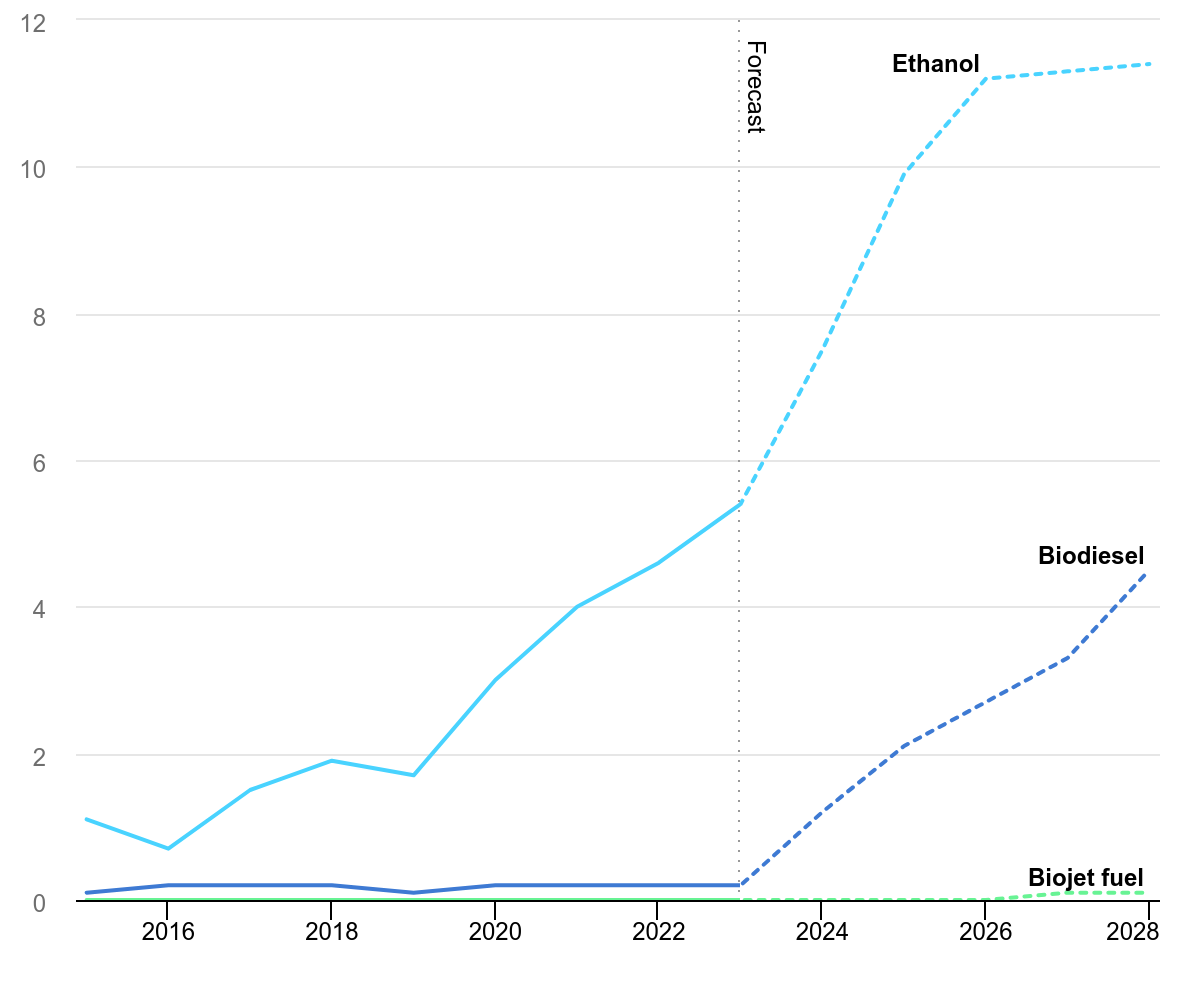
India’s biofuel production ramp, with future projections. The y-axis shows relative production compared to Ethanol production in 2015. Source: IEA
India’s energy demand is still increasing; Biofuels can be a great transition fuel while other truly renewable sources of energy are ramping up. At the same time, until we have cracked the code to mass-producing 2nd generation biofuels, the use of agricultural land for feeding vehicles must be carefully managed. Biofuels must remain a ‘transition’ fuel and not the renewable energy of choice. Government regulation is key in this regard.
Hope you liked this post. Please share and like if you learned something new. As a consumer, you need to be aware of what goes on your plate, but also what goes in your gas tank! At Ecoyaan, you will always get unbiased views on complex issues related to sustainability and climate change.
7 mins • 2026-06-02
5 mins • 2026-05-20

6 mins • 2026-04-18

6 mins • 2026-03-31

5 mins • 2026-01-23

5 mins • 2026-01-21
0
0
Copy Link
to write a comment.